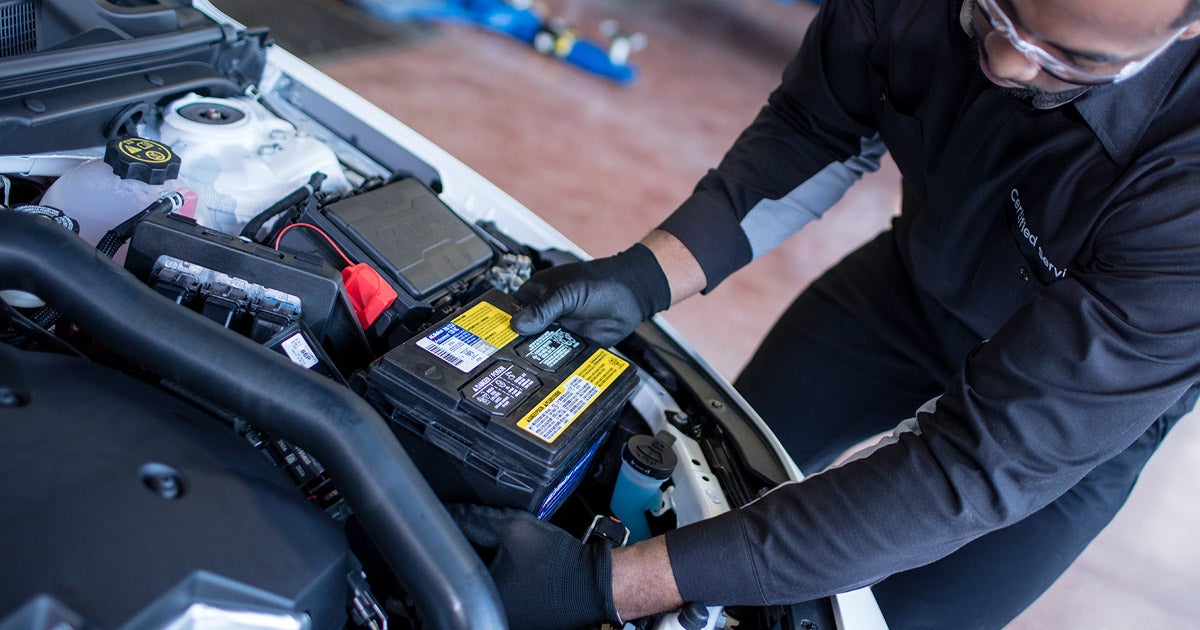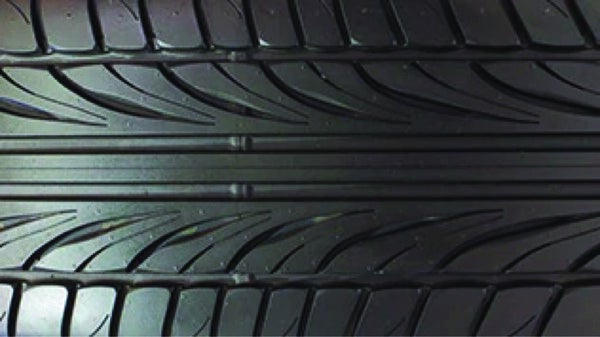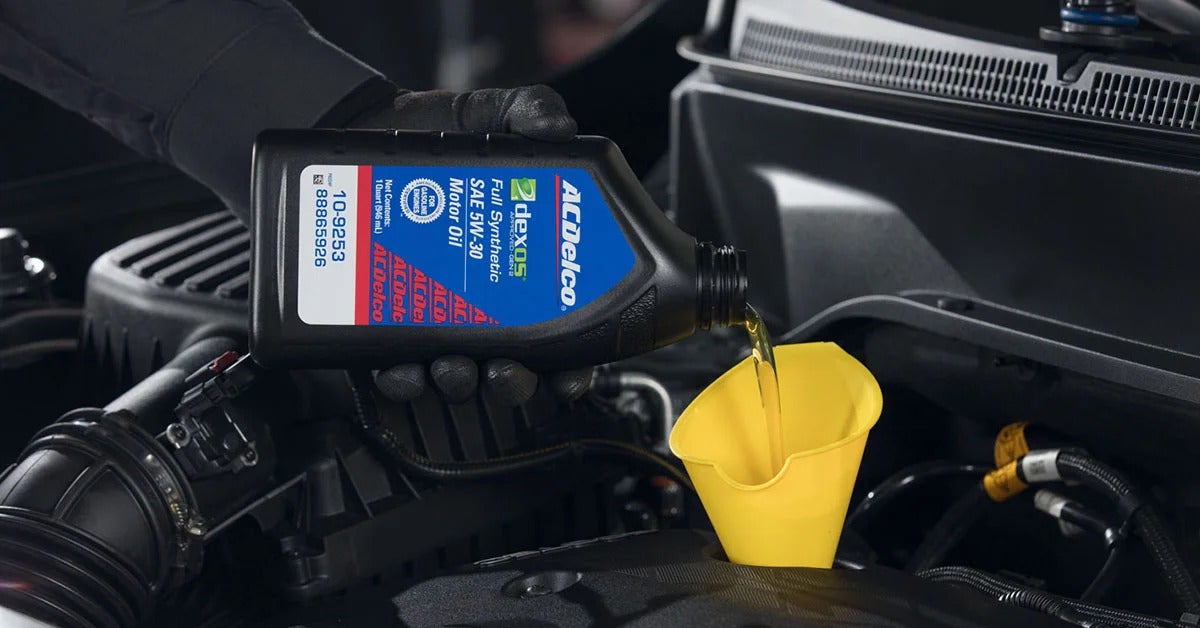




As summer winds down and the school year begins, families across Goldsboro and Eastern North Carolina are preparing for busy schedules filled with school drop-offs, after-school activities, sports practices, and weekend events. Whether you're driving students to school each day or a college student is heading back to campus, now is the perfect time to make sure your vehicle is ready for the increased mileage and daily demands of the school year. A little preventative maintenance can help you avoid unexpected breakdowns, improve safety, and potentially save money on costly repairs later. Check Your Tires Your tires are one of the most important safety components on your vehicle. Before the school year starts, inspect all four tires and make sure they are ready for daily driving. Things to check on your tires include: tire tread depth uneven wear patterns proper tire pressure visible cracks, buldges, or damage Properly inflated tires can also improve fuel economy, provide better handling, and help keep your family safe during North Carolina's frequent summer rainstorms and hurricane season. Test Your Battery Many drivers assume cold weather is hardest on batteries, but hot North Carolina summers can actually shorten battery life as well. You may want to have your battery tested if: it's more than three years old the engine cranks slowly when starting dashboard battery warning appear headlights seem dimmer than usual A failing battery can also start normally when it's a cold start but begin to fail as the battery's heat increases through usage, which can leave you stranded without warning. A battery test only takes a few minutes and can help prevent getting stranded during the school year. Inspect Your Brakes School traffic often means frequent stopping and starting. If your brakes aren't performing properly, now is the time to address the issue. Your brakes will give warnings they are due for inspection or replacement. Watch for signs such as: squealing or grinding noises vibrations when braking increased stopping distance brake warning lights Safe, responsive brakes are essential for navigating school zones, busy intersection, campus traffic, and daily commutes. If you are experiencing any of the above issues, but sure to make an appointment to have your brakes professionally inspected. Check All Lights and Signals With earlier morning departures and evening activities, visibility becomes increasingly important. You want to not only be able to see but you want to easily be seen. Be sure to check around your vehicle and inspect: headlights brake lights turn signals reverse lights interior lights fog lights (if equipped) Replacing a burned-out bulb is a simple fix that improves safety and helps avoid unnecessary traffic stops. Some manufacturers even include in-dash messages when a bulb is out or experiencing a fault. Even with this feature you still want to regularly check your bulbs should one dim or go out and not cause an in-dash message. Top Off Fluids Your vehicle relies on several fluids to operate efficiently and safely. Many of these fluids may not always be actively on our minds as drivers. It is important to make sure these fluids are checked and topped off: engine oil coolant brake fluid transmission fluid windshield washer fluid If you happen to be due for an oil change, scheduling service before the school year starts can help keep your vehicle running smoothly. During your visit you can also request to have your other fluids checked and topped off if needed. Replace Worn Wiper Blades Eastern North Carolina often sees heavy rain throughout late summer and into the later part of hurricane season. Worn wiper blades can reduce visibility when you need it most. To keep your visibility at its highest keep your windshield clean and consider replacing your wipers if: they leave streaks the skip across the windshield they squeak during operation the rubber appears cracked or damaged Clear visibility is one of the simplest and often inexpensive ways to improve driving safety. Make Sure Your Air Conditioning Works Properly The school year may be starting, but hot temperatures often continue well into September in North Carolina. No one wants to make a long or short drive with an air conditioning system that is having issues. A properly functioning air conditioning system helps keep passengers comfortable improve driver focus reduce windshield fogging during humid weather If your AC isn't cooling like it should, have it inspected before temperatures peak again. Verify Emergency Supplies Every family vehicle should carry a few essential emergency items. For your emergency kit you should consider keeping: jumper cables flashlight first-aid kit tire pressure guage phone charging cable bottled water basic hand tools These few items can make a big difference if you experience a roadside emergency. You may also want to consider keeping a tire pump, emergency triangles, and high visibility vest with your kit as well should you need to change or reinflate a tire at the edge of the road. Schedule a Multi-Point Inspection A professional inspection can identify small issues before they become major repairs. A typical inspection may include: tires brakes battery belts and hoses fluid levels steering and suspension comonents lights and electrical systems Catching problems early can help keep your vehicle dependable throughout the school year. Many service centers offer multi-point inspections while having others services, such as oil changes, completed. You can always request to have your vehicle checked over during a service visit as well. Why Back-to-School Vehicle Maintenance Matters During the school year, many families put more miles on their vehicles than they realize. Daily commuting, extracurricular activities, weekend travel, and unexpected errands can quickly add up. Taking the time to inspect your vehicle before classes begin can help: improve reliability enhance safety reduce the change of unexpected repairs extended vehicle life provide peace of mind for parents and students Get Your Vehicle Ready for the School Year If you're preparing for another busy school year in Goldsboro, Pikeville, Mount Olive, La Grange, or anywhere in eastern North Carolina, Now is the ideal time to make sure your vehicle is ready for the road. Whether you need routine maintenance, an oil change, tire service, brake inspection, battery testing, or a complete multi-point inspection, out team is here to help keep your vehicle safe and dependable all school year long. Contact us today to schedule your service appointment and start the school year with confidence.

Memorial Day Road Trip Checklist for Drivers in Eastern North Carolina
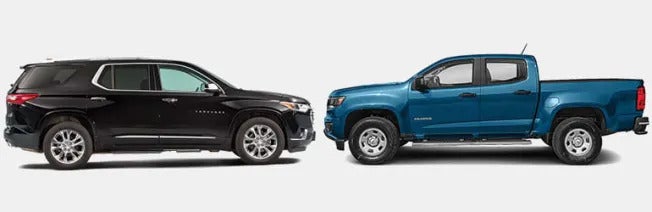
Memorial Day weekend marks the unofficial start of summer across Goldsboro and Eastern North Carolina. Whether you're heading toward the Outer Banks, visiting the Crystal Coast, towing a camper, or visiting family for the holiday weekend, preparing your vehicle before a long drive can help make your trip safer and more enjoyable. Before hitting the road this Memorial Day, here are a few important things Goldsboro drivers should check before traveling. 1. Check Tire Pressure and Tread Warmer temperatures and highway driving can put extra stress on tires, especially during busy holiday travel weekends. Before leaving: Check tire pressure on all four tires Inspect tread depth Look for uneven wear Don't forget the spare tire Proper tire maintenance can improve: Fuel efficiency Ride comfort Braking performance Overall safety If your Memorial Day plans include beach trips or camping, having reliable tires becomes even more important for longer highway drives. 2. Schedule an Oil Change if Needed If your vehicle is approaching its next oil change interval, Memorial Day weekend travel is a good reason to take care of maintenance early. Fresh oil helps: Protect your engine during long drives Improve performance Reduce wear in warmer temperatures Drivers planning road trips across Eastern North Carolina should also check: Coolant levels Windshield washer fluid Brake fluid Transmission fluid 3. Test Your Battery and Brakes Heavy traffic and stop-and-go driving can place additional strain on your vehicle during holiday weekends. Before traveling: Test the battery Inspect brake pads Listen for unusual noises Verify headlights and brake lights are working properly A quick inspection before Memorial Day can help avoid unexpected issues on the road. 4. Choose the Right Vehicle for Your Summer Plans Different summer activities across Eastern North Carolina often call for different types of vehicles. For example: SUVs offer extra passenger space for family travel Trucks provide towing capability for boats and campers Fuel-efficient sedans can help reduce travel costs on longer trips Drivers planning camping or towing trips across Eastern North Carolina may also find our guide helpful on choosing the best trucks for towing boats and campers. - Best Trucks for Towing Boats & Campers in Eastern North Carolina. Families looking for additional passenger space and versatility can also explore our guide to the best used SUVs and trucks for military families in Goldsboro. - Best Used SUVs & Trucks for Military Families in Goldsboro, NC. 5. Plan Popular Memorial Day Destinations Ahead of Time Traffic volume across Eastern North Carolina often increases significantly during Memorial Day weekend, especially along the coastal routes and major highways leading toward beach destinations. Popular Memorial Day routes include I-40 toward Wilmington, NC and US-64 toward the Outer Banks. Leaving early and planning fuel or charging stops ahead of time can help reduce delays during peak travel hours. Popular destinations from Goldsboro include: The Outer Banks Wilmington Emerald Isle Atlantic Beach State parks and campgrounds across Eastern NC If you're planning a coastal trip, check out our route guide: Goldsboro NC to Outer Banks Drive Time & Distance (Route Guide) 6. Pack an Emergency Travel Kit Even short trips are safer when you keep a few emergency essentials in your vehicle. Recommended items include: Jumper cables Flashlight Bottled water Phone charger First aid kit Basic tools Tire inflator Families traveling with children should also pack: Snacks Entertainment Extra chargers Cooling items for warmer weather Prepare for Memorial Day Travel in Goldsboro Taking a few minutes to inspect your vehicle before Memorial Day weekend can help make your trip smoother, safer, and more enjoyable. Whether you're planning beach travel, towing equipment, or driving across Eastern North Carolina this summer, proper vehicle maintenance can make a major difference during busy holiday travel weekends. If your vehicle needs maintenance or you're searching for a dependable SUV or truck for summer travel, our team here at Doug Henry Buick GMC can help you prepare for summer travel with vehicle maintenance, inspections, and selection of SUVs and trucks built for Eastern North Carolina roads.