


Blog / Maintenance Guides

Tire Maintenance Guide for Highway Driving in Eastern North Carolina

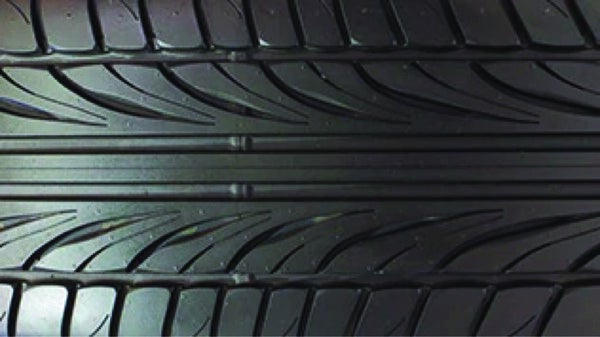
close-up photo of tire tread

Eastern North Carolina drivers spend a lot of time on major highways like US-70, I-95, I-40, and US-117. Whether you're commuting daily for work, heading to the coast for a weekend trip, or making frequent trips to Raleigh or Wilmington, your tires play a critical role in safety, fuel economy, and vehicle performance.

Proper tire maintenance can help extend tire life, improve handling, and reduce the risk of roadside breakdowns. In this guide, we'll cover some of the most important maintenance practices every Eastern North Carolina driver should know.

Why Tire Maintenance Matters for Highway Drivers

Highway driving across Eastern North Carolina creates unique stresses on tires that you don't get with shorter commutes. These longer drives can add additional wear and tear to your vehicle's tires. This can increase the risk of tire failure, especially when tires have not been properly maintained or inspected.

Long-distance driving can lead to:

  • increased tire temperature
  • faster tread wear
  • greater risk of blowout if tires are underinflated
  • reduced traction during heavy rain

Since Eastern North Carolina experiences hot summers and frequent storms, tire condition becomes even more important throughout the year. Checking pressures, rotating tires, and visually inspecting your tires are all essential to maintaining safe and healthy tire conditions.

Check Tire Pressure Monthly

One of the easiest maintenance tasks is monitoring tire pressure. Many vehicles today monitor tire pressure in real time, however, it is still a good idea to check these manually with your own gauge. Vehicles rely on an electric tire pressure monitoring system (TPMS), which can fail or malfunction causing readings to be inaccurate or not appear at all. While many vehicles have TPMS some do not give you pressure readings and instead only notify you once your tire has lost 25% of its recommended pressure. So for a tire that should have 32 PSI of pressure your vehicle may not notify you that a tire is underinflated until it reached 24 PSI of pressure.

So even though your vehicle may be equipped with TPMS it is still a good idea to manually check your tires at least occasionally.

Why It Matters

Underinflated tires can:

  • wear unevenly
  • reduce fuel economy
  • increase stopping distance
  • generate excess heat

Overinflated tires can:

  • create a rougher ride
  • reduce traction
  • cause premature center tread wear

Pro Tip

Check tire pressure when tires are cold and compare the reading to the manufacturer's recommended pressure which is often listed on the driver's door jamb. During most of the year checking your pressures when the tires are cold will give you the most accurate reading. As you drive the air in your tires will heat and expand and can give you a false reading should you wait until your tires are warm to check your pressures.

Rotate Tires Regularly
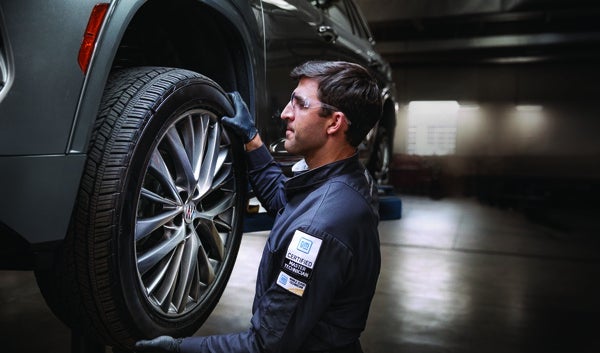
Tires wear differently depending on their position on the vehicle. Passenger weight, cargo distribution, and whether your vehicle is front-wheel, rear-wheel, or all-wheel drive can all affect tire wear patterns. This is why regular tire rotations are important for maintaining even tread wear and extending tire life.

Front tires often wear faster because they handle:

  • steering
  • braking
  • a significant portion of vehicle weight

Recommended Schedule

Most manufacturers recommend rotating tires every 5,000 to 7,500 miles. Many drivers rotate their tires during routine maintenance visits, such as an oil change. Learn more about recommended service intervals in our Oil Change Guide for Drivers in Goldsboro, NC.

Regular tire rotations help:

  • extend tire life
  • improve ride quality
  • promote even tread wear

Watch Your Tread Depth

Tread depth is essential for maintaining traction, especially during North Carolina's rainy season. As tread wears down, your tires become less effective at channeling water away from the contact patch, increasing the risk of hydroplaning and reduced traction.

Signs Your Tread May Be Worn

  • hydroplaning during rain
  • longer stopping distance
  • visible wear bars
  • uneven tread patterns

The Penny Test

Insert a penny into the tread with Lincoln's head facing down. If you can see the top of his head, it's time to start shopping for new tires. If you are unsure with the penny test and want a professional opinion you can always schedule a visit with our team to have your tread depth inspected.

Proper tread depth becomes especially important during heavy rain and severe weather. Read our Hurricane Vehicle Prep Guide for additional storm-season driving tips.

Alignment Matters More Than You Think

Misalignment can quickly destroy a good set of tires and cause the need for premature replacement. If you have noticed any signs of misalignment it may be time to have a professional inspection to see if correction can be made or if it may be time for replacement.

Common Signs of Poor Alignment

  • vehicle pulls left or right
  • steering wheel is off-center
  • uneven tire wear
  • vibration while driving

Potholes, rough roads, and curb impacts can all affect alignment. If you have recently had any of these experiences and feel like you are starting to notice any of the signs above it may be wise to schedule a service visit to have your alignment and tires inspected.

Inspect Tires Before Road Trips
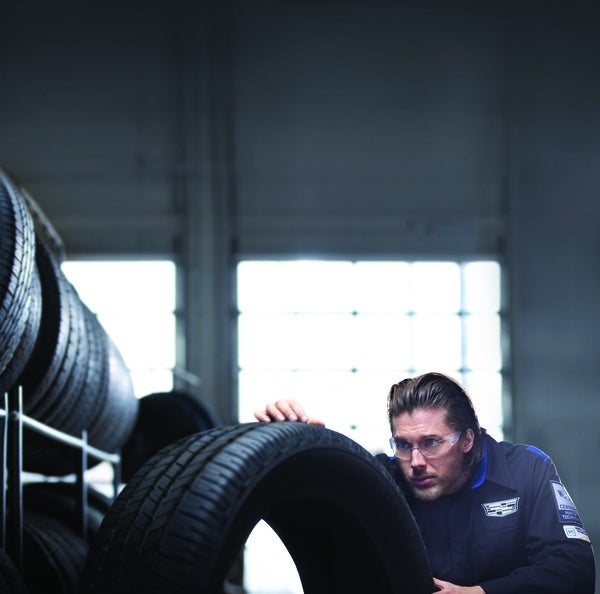
technician inspecting tread on a tire

Before heading to the beach, mountains, or a family vacation, you will want to take a moment to walk around your vehicle and inspect your tires.

A few essential elements to keep a check on are:

  • cracks in sidewalls
  • bulges or bubbles
  • embedded nails or debris
  • uneven wear
  • proper inflation

Be sure to check your tires in advance of your trip in case you end up needing tires replaced. A five-minute inspection can help prevent costly roadside problems. If you're planning one of these local adventures, explore our guide to the Best Weekend Road Trips from Goldsboro.

Tire Maintenance During North Carolina Summer Heat

Summer temperatures can cause air pressure inside tires to increase causing additional stress and wear and tear on your tires.

Before long trips:

  • check tire pressure
  • avoid overloading the vehicle
  • inspect tread depth
  • ensure tires are properly balanced

Hot pavement combined with underinflated tires is one of the leading contributors to highway tire failures. Planning a summer getaway? Check out our Summer Road Trip Prep Guide for additional tips before hitting the road

Don't Forget the Spare Tire

Many drivers forget about their spare until they need it. It is important to check prior to your trip as not all vehicles come with spare tires today. Some vehicles use run-flat tires and do not come with spares at all since the run-flat tire should hopefully give you enough driving distance to make it to a service center for replacement. Other vehicles may be equipped with a tire re-inflator kit which includes a 12-volt air compressor and a tire sealant.

Before a long trip, verify which emergency tire solution your vehicle uses so there are no surprises if you experience a flat tire away from home.

At least twice a year:

  • check spare tire pressure
  • inspect for visible damage
  • confirm jack and tools are present

Being prepared can save significant time during an emergency. If your vehicle uses run-flat tires, or is equipped with a tire re-inflator kit you may still be able to carry a spare, but it will depend upon the design of your vehicle. Many vehicles with re-inflator kits still have an area in which a spare tire could be stored.

When Should You Replace Your Tires?

Ideally, drivers replace their tires before failure occurs. Monitoring your tires occasionally can help you keep track of their condition. You should consider replacement if:

  • tread depth is below safe levels
  • tires are several years old and beginning to show age-related deterioration
  • sidewall damage is present
  • frequent air loss occurs
  • ride quality has noticeably deteriorated

Some defects, such as loss of air pressure, may not always be the fault of the tire itself. A faulty valve stem could be the culprit. In the end a professional inspection can determine whether replacement is necessary.

Keep Your Tires Road-Ready in Eastern North Carolina

Whether you're commuting through Goldsboro, traveling I-95, driving US-70, or heading to the North Carolina coast, properly maintained tires help improve safety, maximize tire life, and provide greater peace of mind during every trip. Routine tire inspections can help identify potential problems before they become expensive repairs or roadside emergencies.

Regular tire inspections, rotations, pressure checks, and alignments can extend tire life and improve overall vehicle performance. If you're unsure about the condition of your tires, schedule a professional inspection and address small issues before they become major repairs.

Need a Tire Inspection in Goldsboro?

Our service team can inspect your tire tread, check tire pressure, evaluate alignment, and help ensure your vehicle is ready for the miles ahead. Schedule your next service appointment today and drive with confidence throughout Eastern North Carolina.

Posted in:

Related Posts

service technician installing vehicle battery

Battery Problems in Hot Weather: Why North Carolina Summer Affect Your Car

If you've ever walked out to your vehicle on a hot North Carolina afternoon only to hear a slow crank - or worse, nothing at all - you've experiences one of the most common summer vehicle issues: battery failure. Many drivers assume cold winter weather is the biggest threat to a car battery. While winter can expose a weak battery, extreme summer heat is actually one of the leading causes of battery deterioration. In Eastern North Carolina, where temperatures frequently climb into the 90s and humidity remains high throughout the summer, your vehicle's battery works hard that you may realize. Here's what every driver should know about protecting their battery during North Carolina's hottest months. Why Summer Heat Damages Car Batteries Your vehicle's battery contains a chemical solution that creates electricity. High temperatures speed up the chemical reactions inside the battery, which may sound beneficial - but over time, excessive heat accelerates internal wear and shortens battery life. Summer heat can: cause battery fluid to evaporate increase corrosion on battery terminals damage internal battery components reduce overall battery lifespan make older batteries more likely to fail unexpectedly For drivers throughout Goldsboro, Kinston, Smithfield, Wilson, and surrounding areas, prolonged exposure to heat can take years off a battery's useful life. Common Signs Your Battery May Be Failing Battery problems rarely happen without warning. Watch for these common symptoms to avoid being left awaiting assistance with a failed battery: Slow Engine Cranking If your engine turns over more slowly than normal when starting, your battery may be losing strength. This is probably the most noticable symptom drivers experience. Dim Headlights Weak batteries often struggle to provide consistent power, which can cause strain on your charging system. This strain can manifest as headlights or interior lights that appear dim. You can also spot this symptom if your charging system (alternator) is failing, causing your vehicle to rely only on the battery for power. Electrical Issues Modern vehicles rely heavily on electronics. A weakening battery may cause: infotainment system glitches power window issues dashboard warning lights power steering issues intermittent electrical problems Battery Warning Light If the battery indicator appears on your dash, especially after your vehicle is started and running, schedule an inspection as soon as possible. Battery Age Most vehicle batteries last between 3 and 5 years. If yours is approaching that range, summer heat could push it past its limit. This battery age range is a great time to schedule a service visit to have your battery tested. Why Batteries Often Fail Without Warning One reason battery issues are frustrating is that they can seem sudden. Heat slowly weakens the battery throughout spring and summer monthd. Then one day, after a quick stop at a store or restaurant, the battery no longer has enough power to restart the vehicle. In some cases, a battery with a failing or dead cell may show few warning signs during normal driving. However, once the vehicle has been driven and both the engine and battery have warmed up, the battery may no longer be able to provide enough power to start the engine. This is why some drivers experience a vehicle that starts normally when cold but struggles to restart after running errands or making multiple stops. This is especially common during vacation season when drivers are making longer trips and relying heavily on air conditioning, navigation systems, and charging devices. How to Extend Battery Life During North Carolina Summers Fortunately, a few simple habits can help proect your battery. Park in the Shade When Possible Reducing direct sunlight can lower under-hood temperatures significantly. Lower under-hood temperatures mean lower temperatures around your battery. If your vehicle will remain parked for extended periods of time, seek out an area that will at least apply partial shade during your park to lessen the amount of direct sunlight your vehicle receives. Keep Battery Terminals Clean Corrosion can restrict electrical flow and reduce battery performance. Corrosion can be cleaned up mechanically with a battery terminal and post cleaning brush, or by using terminal cleaning chemical sprays. You can do these yourself with simple tools, or you can have a cleaning done during your next service visit if one is needed. Limit Short Trips Frequent short drives may not give the alternator enough time to fully recharge the battery. Some vehicle's charging systems do not engage at idle and require the vehicle to be in motion or beyond a certain RPM for the system to engage. Schedule Regular Battery Testing Routine testing can identify a weakening battery before it leaves you stranded. You can include battery testing in your scheduled routine service visits for added peace of mind. Check Charging System Performance Sometimes the problem isn't the battery itself but the alternator or charging system. A failing charging system can cause your vehicle to rely solely on the battery to power all of the electronics on your vehicle. This can cause additional stress and early failure of your battery. If you suspect your charging system may be underperforming you can have it checked along with your battery to help reduce the risk of breakdown. Is Your Vehicle More at Risk? Certain vehicles may place additional demands on the battery, including: vehicles with advance technology packages SUVs with multiple electronic accessories trucks used for towing vehicles that sit unused for extended periods older vehicles with original batteries If your vehicles falls into one or more of these categories, battery inspections become even more important during the heat of the summer. Preparing for Summer Road Trips Before heading to the beach, the mountains, or a weekend getaway, consider adding a battery check to your travel preparation checklist. A quick inspection can help you indentify: low battery voltage corrosion buildup loose connections charging system concerns Addressing these issues before your trip can prevent unexpected breakdowns and costly roadside assistance calls. If you are in the planning stages for a summer road trip, you may enjoy reading our post on the Best Weekend Road Trips from Goldsboro, NC! When Should You Replace Your Battery? If your battery is over three years old and showing signs of weakness, replacement may be the safest option - especially before peak summer travel season. Battery testing can determine whether replacement is necessary or if your current battery still has sufficient reserve capacity. You can also find additional road trip prep tips in our post dedicated to Getting Your Vehicle Ready for Summer Driving. Schedule a Battery Inspection in Goldsboro, NC North Carolina summers can be tough on vehicle batteries, but routine maintenance helps prevent unwanted surprises. If you're noticing slow starts, warning lights, or simply want peace of mind before your next road trip, our service team can perform a battery and charging system inspection to ensure your vehicle is ready for the season. If you already have an upcoming service with us you can also ask your service writer to include a quick inspection to your existing visit when you arrive. Contact us today to schedule service and keep your vehicle running reliably throughout the North Carolina summer. You can reach us by phone, online, or by stopping by in person.

NC coastal highway 12 at the Outer Banks

Summer Road Trip Prep: Get Your Vehicle Ready for Summer Driving in Eastern North Carolina

Summer in Eastern North Carolina means road trips, beach weekends, family vacations, and longer drives in hotter conditions. Before you hit the highway, a little preparation can help you avoid breakdowns, improve safety, and keep your trip stress-free. Whether you're heading to the coast, traveling across the state, or just planning weekend getaways from Goldsboro, NC, here's how to make sure your vehicle is ready for the miles ahead. Check Your Tires Before You Travel Eastern North Carolina drivers are used to hot pavement and long highway drives, both of which can put extra stress on your tires. Before you take off, start preparation for your trip by checking: tire pressure (heat increases pressure fluctuations) tread depth (worn tires reduce wet-road safety) uneven wear (can signal alignment issues) If your tires are already borderline, summer road trips can push them over the edge. A quick inspection before you leave can prevent a blowout on the highway and give you added peace of mind during your travels. Test Your Battery (Summer Heat Is Tough on It) Most people think cold weather kills batteries - but North Carolina heat is just as damaging. High temperatures can weaken internal battery components and reduce reliability. A battery that doesn't provide enough power to properly run your vehicle does not make for an enjoyable trip. Your vehicle will often give signs of a weak or dying battery. Warning signs to watch for are: slow engine start dimming headlights electrical glitches If your current battery is more than 3 years old, a quick test can save you from getting stranded on a road trip. Make Sure Your Air Conditioning Works Properly Eastern North Carolina is known for hot and humid summers, and nothing is going to ruin your road trip across North Carolina more than a weak or dying A/C. Before you leave, check for signs that your A/C system may need attention. Warning signs include: air temperature from vents (should be consistently cold) strange noises when A/C is running weak airflow (could indicate a cabin air filter or blower motor issue) A quick service check can often restore performance before long drives in the heat. If you are experiencing A/C issues or just want to have your system checked, be sure to schedule your visit in advance in case service appointments are booked or replacement parts are required. Inspect Fluids and Top Off If Needed Long trips mean your engine works harder than usual. Summer heat and humidity can add even more stress on your vehicle's engine. Ensuring your vehicle's fluids are at the proper levels is a positive step toward a stress-free trip. It is essential to have these fluids checked: engine oil coolant brake fluid windshield washer fluid Low or dirty fluids can increase overheating risks, especially in stop-and-go summer traffic. Your vehicle's overall reliability and safety decrease with low and dirty fluids as well, increasing your likelihood of breakdown during your travels. Check Brakes Before Highway Driving Brakes should operate fairly quietly when working properly. If you hear squeaking or grinding noises, or feel vibration when braking, don't ignore it before a trip. Summer travel, while exciting, often involves more intense brake usage with causes like: heavy traffic sudden stops long downhill braking on highways Healthy brakes are one of the most important safety checks before any road trip. Brake failure makes travel for you, and those around you, unsafe and risky. If you are experiencing noisy or rough braking, be sure to have your brakes inspected before leaving. Remember, schedule your inspection in advance of your trip to avoid delays due to parts or booked service appointments. Pack an Emergency Road Kit Even well-maintained vehicles can experience unexpected issues. A basic emergency kit can make roadside delays safer and more comfortable for vehicle passengers. Here are a few items that we think every basic emergency kit should include: jumper cables first aid kit flashlight phone charger/power bank bottled water basic tools If your summer travels will involve longer road trips from Goldsboro, NC, you may also want to consider adding a tire inflator and roadside warning triangles to your emergency kit. Schedule a Quick Multi-Point Inspection If you want to add some peace of mind before hitting the road, a professional inspection can help catch issues you might miss. An experienced technician may spot issues that are easy to overlook. Typically a multi-point inspection will check over things like: tires and brakes battery and charging system fluids and leaks belts, hoses, and filters A multi-point inspection is one of the easiest ways to avoid unexpected breakdowns during travel season. Ready for Your Summer Road Trip? Summer road trips should be about the destination - not car trouble on the side of the highway. A little preparation can save time, money, and stress later. If you're planning a trip this summer, schedule a quick service check before you go. It's a simple step that can make a big difference in keeping your vehicle safe and reliable all season long. Doug Henry Buick GMC can help make sure your vehicle is ready for the road. From battery testing and tire inspections to fluid checks and multi-point inspections, our team can help identify potential issues before you set out. Contact us today to schedule a service appointment or stop by with any questions about recommended maintenance for your vehicle.

Dark storm clouds from a North Carolina highway

Hurricane Season Vehicle Prep: A North Carolina Driver's Checklist

Eastern North Carolina residents are no strangers to hurricane season, which runs from June 1 to November 30. Storms such as Hurricane Florence, Hurricane Matthew, and numerous tropical systems over the years have demonstrated how quickly weather conditions can change and how important preparation can be. From heavy rain and flash flooding to fallen trees and extended power outages, hurricanes can create serious challenges for vehicle owners. Whether you're commuting around Goldsboro, traveling along Highway 70, or preparing for a possible evacuation, taking a few preventative steps now can help protect your vehicle and keep your family safer when storms arrive. Here's a practical hurricane season vehicle preparation checklist to help North Carolina drivers protect their vehicles and prepare for severe weather. Why Hurricane Season Matters for Eastern North Carolina Drivers Eastern North Carolina regularly experiences: heavy rainfall flash flooding high winds downed power lines road closures debris-covered roadways Even tropical storms that never reach hurricane strength can cause significant vehicle damage and travel disruptions. For drivers in Wayne County and surrounding communities, preparation before a storm arrives is often much easier than dealing with repairs afterward. If you happen to currently be in the market for a vehicle you will also want to make sure the vehicle you are considering is storm-ready before purchase as well. If you are unsure what vehicle may work best for your needs you may enjoy reading our SUV vs Truck post to help you make your decision. Check Your Battery Before Storm Season Summer heat is already tough on vehicle batteries. When hurricane-related power outages occur, many drivers depend on their vehicles for: transportation phone charging emergency travel access to supplies Your vehicle will often give you signs that its battery is getting weak or in low health. Warning signs of a weakening battery include: slow engine cranking dim headlights dashboard battery warning lights corrosion around battery terminals If your battery is more than three years old, hurricane season is the perfect time to have it tested. Inspect Tires for Wet Weather Driving Tires are your first line of defense during heavy rain. Ensuring your tires are in good operating condition is crucial. When inspecting your tires be sure to check: tire tread depth tire pressure uneven wear patterns sidewall damage Worn tires increase the risk of hydroplaning, especially during sudden downpours common throughout Eastern North Carolina. Properly inflated tires also improve handling and braking performance when roads become slick. Verify Your Windshield Wipers Are Ready Many drivers don't realize how quickly wiper blades wear out. If your blades leave streaks, skip across the windshield, or make unusual noises, replacement may be needed. Maintaining good wipers is key to maintaining good visibility, which becomes especially important during: tropical storms heavy rain bands evacuation traffic nighttime driving in severe weather Most experts recommend replacing wiper blades every 6-12 months. If you notice any tears, cracks, or missing pieces in your wipers, then you will want to replace them immediately even if you are well within the replacement window. Top Off Essential Fluids Before hurricane season peaks, you are also going to want to ensure that your vehicle's fluids are at the proper levels. Fluids that are essential to have checked: engine oil coolant brake fluid windshield washer fluid transmission fluid Maintaining proper fluid levels helps ensure your vehicle performs reliably during emergency travel or extended periods of driving. You may find our Oil Change Guide helpful in preparing for possible severe weather. Keep Your Fuel Tank at Least Half Full One of the simplest hurricane preparedness tips is keeping extra fuel available. Though simple, this tip does require a bit of extra planning. Daily driving habits and routines can be altered as storms approach due to: gas stations experiencing long lines fuel deliveries being delayed power outages preventing pump operation Keeping your tank at least half full provides added flexibility if evacuation becomes necessary. It also adds flexibility if roads become impassable and your trips to fuel stations, work, or supplies become longer than normal. Prepare for Possible Evacuation Orders While not every storm results in an evacuation order, drivers should have a plan in place before hurricane season reaches its peak. Familiarize yourself with evacuation routes in your area, keep important documents accessible, and ensure your vehicle is capable of making longer trips if necessary. North Carolina evacuation routes are often marked along major highways and roads to help residents move away from affected areas safely. Waiting until a storm is approaching can make preparation much more difficult due to increased traffic and supply shortages. This is an even bigger factor if you live closer to the coast, near river basins, or flood-prone areas. These areas are more likely to receive evacuation orders or require evacuation due to higher flood risks. Assemble an Emergency Vehicle Kit Every North Carolina driver should keep a basic emergency kit in their vehicle. A few simple items can help make waits for roadside assistance, evacuation traffic, and road closure detours safer and more comfortable for vehicle passengers. A few items we recommend for a hurricane car checklist are: Safety Supplies flashlight extra batteries reflective triangles first-aid kit Communication Tools portable phone charger charging cables battery bank Emergency Necessities bottled water non-perishable snacks rain poncho blanket basic tool kit These supplies can be especially helpful during extended power outages, or if you end up stuck due to a road closure or evacuation traffic. They are also beneficial should you need to exit your vehicle to secure cargo or change a tire. Avoid Flooded Roads One of the most important hurricane safety reminders we can offer is: Never drive through floodwater. Just six inches of moving water can affect vehicle control, while deeper water can stall engines or sweep vehicles away. Beyond what the water itself can do, floodwater can also hide other threats such as: washed-out pavement debris sinkholes downed utility lines When it comes down to driving during or after hurricane conditions the safest rule is simple: Turn around, don't drown. Protect Your Vehicle from Flood Damage If severe flooding is expected in your area there are a few additional steps you may want to take: moving your vehicle to high ground avoiding low-lying parking areas parking away from large trees when possible considering covered parking if available Flood damage can affect more than just the roads we drive on, it can affect our vehicles as well. Flood damage could cause issues with your vehicle's: electrical system engine transmission interior components Many flood-related repairs can be extensive and expensive. Even if a flood-damaged vehicle appears to operate normally afterward, hidden electrical and mechanical damage can create long-term reliability and safety concerns. Flood-damaged vehicles can also present health risks if interiors become wet and are not properly dried. Moisture trapped inside a vehicle can create a breeding ground for mold and mildew. Review Your Insurance Coverage Before storm season intensifies, review your auto insurance policy. Many drivers discover coverage gaps only after the damage has already occurred. It could be beneficial to check and verify whether your insurance policy includes: comprehensive coverage flood-related vehicle damage wind damage falling object damage Understanding your coverage beforehand can reduce stress after a storm. Another important note to consider is that many insurance companies will not allow you to make changes to your policy during a declared state of emergency. So it's best to check and make adjustments to your coverages before a storm ever makes landfall. Schedule a Pre-Hurricane Season Vehicle Inspection Preparing your vehicle before hurricane season arrives can help reduce the risk of unexpected breakdowns when severe weather strikes. A professional inspection can help identify potential issues with: battery performance tire condition brakes fluid levels wiper blades overall vehicle readiness If you're preparing for hurricane season in Goldsboro or anywhere in Eastern North Carolina, the service team at Doug Henry Buick GMC can help make sure your vehicle is ready for whatever the season brings. From battery testing and tire inspections to fluid checks and multi-point inspections, our team can help identify potential issues before severe weather arrives. Contact us today to schedule a service appointment or stop by with any questions about recommended maintenance for your vehicle.