



Blog / Buying Guides

How to Finance a Used Car in North Carolina (Step-by-Step Guide)

Customer signing paperwork

Financing a used car may seem overwhelming at first, especially for first-time buyers or drivers rebuilding credit. Whether you are shopping in Goldsboro, commuting across Eastern North Carolina, or purchasing your next family vehicle, understanding the financing process can help you feel more confident before visiting the dealership.

This guide explains how used car financing works in North Carolina, what documents you may need, and what buyers should expect during the process.

1. Understand Your Budget Before Shopping

Calculator with financial paperwork

Drivers and buyers in Goldsboro, Wayne County, and throughout Eastern North Carolina all live a budget-driven lifestyle. However, during the early stages of car shopping, buyers often fail to consider their budget when they first browse vehicles.

Affordability is a very important factor when shopping for a vehicle, so it needs to be at the forefront of your buying process. A few things you may want to consider are:

  • Determining a comfortable monthly payment
  • Estimating insurance costs
  • Considering maintenance and fuel expenses
  • Planning for a down payment if possible

Your monthly payment is more than just the vehicle you choose. There are insurance and fuel costs to consider along with the taxes and fees that will be included in your purchase. Your final payment can be affected by whether or not you have a trade-in as well.

Our team can assist you through this process and explain each step along the way.

2. Check Your Credit Score

When you finance a vehicle, your credit score and history play a large part in the process. A credit score is a numerical representation of how likely you are to repay borrowed money. Typically, higher scores qualify for better loan terms such as lower rates.

Lower credit scores do not automatically mean you will be denied for a loan. We work with multiple lenders to improve financing opportunities for our customers.

3. Gather Important Documents

There are several important documents buyers should bring when purchasing a vehicle from a dealership:

  • Driver's License
  • Proof of income
  • Proof of residence
  • Insurance information
  • Trade-in paperwork if applicable

4. Apply for Financing

customer consulting with dealership employee

Many drivers in Goldsboro choose dealership financing because it allows them to compare multiple lending options in one place. Some drivers, however, prefer to use financing they have obtained through their personal bank or credit union.

If you would like to get started before visiting the dealership, you can submit a credit application through our secure online portal.

5. Review Loan Terms Carefully

After selecting a vehicle and reviewing lender decisions, buyers are typically presented with several financing options.

These options may include different loan lengths, down payment amounts, monthly payments, and APRs. Your APR affects both your monthly payment and the total amount of interest paid over the life of the loan.

Buyers will also review a "Truth in Lending" disclosure, which outlines important financing details including the number of payments, total of payments, total down payment, and total sales price.

6. Understand the Difference Between Loan Term and Monthly Payment

A lower monthly payment may seem appealing, but longer loan terms can increase the total amount of interest paid over time.

When reviewing financing offers, buyers should consider:

  • Monthly payment amount
  • Interest rate (APR)
  • Length of the loan
  • Total amount paid over the life of the loan

While longer loan terms may reduce monthly payments, shorter loan terms often help buyers pay less in total interest.

Understanding the full cost of financing can help drivers in Goldsboro and Eastern North Carolina make more informed vehicle-buying decisions.

7. Financing Tips for First-Time Buyers

As a first-time buyer, it is easy to get overwhelmed during the vehicle buying process and lose focus of your goal to obtain an affordable vehicle.

It is important not to max out your budget and to stay below the highest payment you are comfortable with.

A larger down payment can help the affordability of your payments as well as your approval odds, especially for young buyers with limited or no credit history. If you happen to have someone in your life that is willing to co-sign with you, they can also be a big help in obtaining better financing terms.

While this tip may not work for everyone, choosing a shorter loan term can help reduce the total amount of interest paid over time. Some lenders even offer rate discounts for shorter terms, the primary downside to a shorter term is a higher monthly payment.

8. Can You Finance With Bad Credit?

Yes! Many customers with credit challenges still qualify for financing options. Lenders look at more than just your score when making decisions for vehicle loans.

Job and income stability as well as a stable residency all factor into a lender's decision for vehicle financing. Down payments can also help improve your loan-to-value ratio, which can improve odds of approvals among lenders.

If you have had some hiccups in life and now have a few credit challenges, don't worry, rebuilding your credit is possible. As you rebuild your credit, you may qualify for more financing options in the future, including lower interest rates and reduced down payment requirements.

9. Common Financing Mistakes to Avoid

Financing a vehicle can feel overwhelming, especially for first-time buyers. Avoiding a few common mistakes can help make the process smoother.

Some common financing mistakes include:

  • Focusing only on monthly payment instead of total loan cost
  • Skipping a vehicle budget before shopping
  • Forgetting to factor in insurance and maintenance costs
  • Applying for multiple loans without understanding the impact on credit
  • Purchasing a vehicle that does not comfortably fit your budget

Taking time to understand financing terms and asking questions during the process can help buyers make more confident decisions.

Financing a Used Car in Goldsboro, NC

Financing a vehicle does not have to be complicated. Whether you are buying your first vehicle, upgrading your family SUV, or searching for affordable transportation in Eastern North Carolina, understanding the financing process can help you make a more informed decision.

Drivers in Goldsboro, Wayne County, and throughout Eastern North Carolina can explore financing options, trade-in opportunities, and used vehicle inventory with the team at Doug Henry Buick GMC.

Posted in:

Related Posts

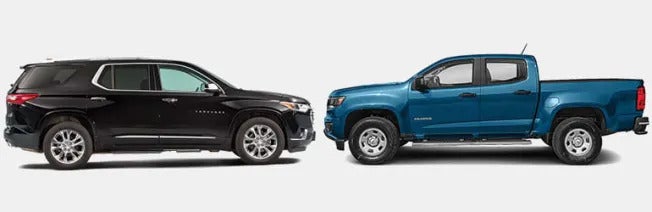
SUV vs Truck head to head

SUV vs Truck: Which is Better for Eastern North Carolina Drivers?

Drivers in Goldsboro and throughout Eastern North Carolina rely on their vehicles for many different needs. Some drivers need towing power and cargo space, while others prioritize family seating, highway comfort, or better fuel economy. Military families and daily commuters may have different priorities than other Eastern North Carolina drivers. The "best" option for you depends on how much you actually drive around Goldsboro and Eastern NC. In this guide, we'll compare SUVs and trucks for North Carolina driving conditions so you can decide which vehicle fits your lifestyle best. When an SUV Makes More Sense SUVs are a popular choice for drivers in Goldsboro and Eastern North Carolina. They provide more interior passenger space, better fuel economy, easier parking in town, and are often lower ownership costs than trucks. SUVs can also provide easier cargo protection from the ever-changing Eastern North Carolina weather. SUVs like the GMC Terrain, or Ford Explorer are often the better choice for families, making events like school drop-offs easier on the family. Daily commutes to Seymour Johnson AFB, weekend beach trips, and highway travel to larger towns like Raleigh or Wilmington are often more comfortable and more fuel efficient in SUVs like the Chevy Equinox or Toyota Highlander. When a Truck Is the Better Choice While SUVs are ideal for many daily drivers and families, trucks offer advantages that are hard to ignore for drivers who need additional capability. Trucks also make up a large part of the vehicle market in Eastern North Carolina. Their ability to tow boats and trailers, aid in home improvement projects, and ease rural property work make trucks valuable assets. Trucks offer easy access to hauling camping and other outdoor gear for hunting and fishing trips as well. Another benefit to trucks, like the Toyota Tacoma or Chevy Silverado is their ability to aid in hurricane and other storm preparedness. Whether it is packing up for an evacuation from coastal regions and navigating rural roads or just cleaning up debris during hurricane season, trucks like the GMC Sierra, and Ford F-150 provide their drivers with peace of mind. Fuel Economy: SUVs vs Trucks When it comes to MPG ratings, SUVs usually come out ahead of trucks. Trucks typically cost more to fuel than SUVs, especially full-size trucks. Full-size trucks today do offer turbocharged engine options that have improved fuel economy over their non-turbo counterparts and smaller trucks like the Ford Ranger and GMC Canyon help to narrow the gap between SUV and truck fuel economy. Vehicle Type Typical MPG Best For Compact SUV - - - 25-35 MPG - - - Daily Commuting - Mid-size SUV - - - 20-28 MPG - - - Families/travel - Full-size truck - - - 16-24 MPG - - - Towing/work - Mid-size truck - - - 20-27 MPG - - - Mixed use Which is Better for Military Families? Military life provides different challenges that other families may not experience or may experience infrequently. With PCS moves being a part of military life your vehicle needs to be ready to handle kids or car seats, long-distance travel, storage space, and highway comfort. SUVs often make it easier for daily family life around Seymour Johnson AFB while trucks make sense for hauling equipment, trailers, and for outdoor lifestyles. What works best for you is going to be dependent on your personal needs and budget. Many military families also value SUVs because of their flexibility during PCS moves and long highway trips. Features like fold-flat seating, cargo space, and advanced safety technology can make frequent travel much more manageable. Weather and Road Conditions in Eastern NC Weather conditions in Eastern North Carolina can change quickly throughout the year. Heavy summer rains, hurricane season, rural roads, flood-prone areas, and the occasional winter ice can all affect your normal driving habits. AWD SUVs can be excellent for most drivers to deal with the varying weather here in Eastern North Carolina, but trucks offer extra capability for tougher conditions like those found during hurricane season. Cost of Ownership Comparison There are several items that factor into the cost of your vehicle beyond price. You have insurance and financing to consider but you also have your basic vehicle needs to consider as well. Vehicles have costs that many drivers do not often consider such as replacing tires, maintenance visits and filling the tank. Typically SUVs have lower operating costs being both more fuel efficient and more inexpensive for general maintenance. They also typically have better practicality for families over trucks and even sedans. Trucks tend to have higher upfront costs as well as lower MPG causing you to pay more at the pump. However, the upside on trucks is that they typically have stronger resale values than many other vehicle types meaning you keep more of your investment should you sell or trade your vehicle in the future. Should You Buy an SUV or Truck in Eastern North Carolina? Which is better for you, the SUV or the truck? That is going to depend on what is most needed out of your vehicle for your household. Choose an SUV if you: If you spend most of your time driving on highways or maneuvering through city traffic, an SUV may be the better fit for your needs. If better fuel economy and family seating are important for your household, then the SUV is a solid choice. SUVs also work well for drivers who frequently take road trips throughout North Carolina and surrounding areas. Choose a Truck if you? If towing and hauling equipment or materials are priorities for your lifestyle, then a truck may be the best option for your needs. Trucks also tend to be better options if you spend a lot of time outdoors or need a little extra utility out of your vehicle. Which Vehicle Fits Your Eastern North Carolina Lifestyle? Whether you need the comfort and efficiency of an SUV or the utility and capability of a truck, choosing the right vehicle starts with understanding your daily driving needs. If you're still deciding between an SUV or truck, the best way to compare is to test drive both. Our team can help you find the right vehicle for your budget, lifestyle, and driving needs here in Eastern North Carolina. Browse our available truck and SUV inventory online, apply for financing, or value your trade before visiting our Goldsboro dealership.

back-to-school image - child with backpack getting into SUV

Back-to-School Vehicle Checklist: Make Sure Your Car is Ready for the School year in Eastern North Carolina

As summer winds down and the school year begins, families across Goldsboro and Eastern North Carolina are preparing for busy schedules filled with school drop-offs, after-school activities, sports practices, and weekend events. Whether you're driving students to school each day or a college student is heading back to campus, now is the perfect time to make sure your vehicle is ready for the increased mileage and daily demands of the school year. A little preventative maintenance can help you avoid unexpected breakdowns, improve safety, and potentially save money on costly repairs later. Check Your Tires Your tires are one of the most important safety components on your vehicle. Before the school year starts, inspect all four tires and make sure they are ready for daily driving. Things to check on your tires include: tire tread depth uneven wear patterns proper tire pressure visible cracks, buldges, or damage Properly inflated tires can also improve fuel economy, provide better handling, and help keep your family safe during North Carolina's frequent summer rainstorms and hurricane season. Test Your Battery Many drivers assume cold weather is hardest on batteries, but hot North Carolina summers can actually shorten battery life as well. You may want to have your battery tested if: it's more than three years old the engine cranks slowly when starting dashboard battery warning appear headlights seem dimmer than usual A failing battery can also start normally when it's a cold start but begin to fail as the battery's heat increases through usage, which can leave you stranded without warning. A battery test only takes a few minutes and can help prevent getting stranded during the school year. Inspect Your Brakes School traffic often means frequent stopping and starting. If your brakes aren't performing properly, now is the time to address the issue. Your brakes will give warnings they are due for inspection or replacement. Watch for signs such as: squealing or grinding noises vibrations when braking increased stopping distance brake warning lights Safe, responsive brakes are essential for navigating school zones, busy intersection, campus traffic, and daily commutes. If you are experiencing any of the above issues, but sure to make an appointment to have your brakes professionally inspected. Check All Lights and Signals With earlier morning departures and evening activities, visibility becomes increasingly important. You want to not only be able to see but you want to easily be seen. Be sure to check around your vehicle and inspect: headlights brake lights turn signals reverse lights interior lights fog lights (if equipped) Replacing a burned-out bulb is a simple fix that improves safety and helps avoid unnecessary traffic stops. Some manufacturers even include in-dash messages when a bulb is out or experiencing a fault. Even with this feature you still want to regularly check your bulbs should one dim or go out and not cause an in-dash message. Top Off Fluids Your vehicle relies on several fluids to operate efficiently and safely. Many of these fluids may not always be actively on our minds as drivers. It is important to make sure these fluids are checked and topped off: engine oil coolant brake fluid transmission fluid windshield washer fluid If you happen to be due for an oil change, scheduling service before the school year starts can help keep your vehicle running smoothly. During your visit you can also request to have your other fluids checked and topped off if needed. Replace Worn Wiper Blades Eastern North Carolina often sees heavy rain throughout late summer and into the later part of hurricane season. Worn wiper blades can reduce visibility when you need it most. To keep your visibility at its highest keep your windshield clean and consider replacing your wipers if: they leave streaks the skip across the windshield they squeak during operation the rubber appears cracked or damaged Clear visibility is one of the simplest and often inexpensive ways to improve driving safety. Make Sure Your Air Conditioning Works Properly The school year may be starting, but hot temperatures often continue well into September in North Carolina. No one wants to make a long or short drive with an air conditioning system that is having issues. A properly functioning air conditioning system helps keep passengers comfortable improve driver focus reduce windshield fogging during humid weather If your AC isn't cooling like it should, have it inspected before temperatures peak again. Verify Emergency Supplies Every family vehicle should carry a few essential emergency items. For your emergency kit you should consider keeping: jumper cables flashlight first-aid kit tire pressure guage phone charging cable bottled water basic hand tools These few items can make a big difference if you experience a roadside emergency. You may also want to consider keeping a tire pump, emergency triangles, and high visibility vest with your kit as well should you need to change or reinflate a tire at the edge of the road. Schedule a Multi-Point Inspection A professional inspection can identify small issues before they become major repairs. A typical inspection may include: tires brakes battery belts and hoses fluid levels steering and suspension comonents lights and electrical systems Catching problems early can help keep your vehicle dependable throughout the school year. Many service centers offer multi-point inspections while having others services, such as oil changes, completed. You can always request to have your vehicle checked over during a service visit as well. Why Back-to-School Vehicle Maintenance Matters During the school year, many families put more miles on their vehicles than they realize. Daily commuting, extracurricular activities, weekend travel, and unexpected errands can quickly add up. Taking the time to inspect your vehicle before classes begin can help: improve reliability enhance safety reduce the change of unexpected repairs extended vehicle life provide peace of mind for parents and students Get Your Vehicle Ready for the School Year If you're preparing for another busy school year in Goldsboro, Pikeville, Mount Olive, La Grange, or anywhere in eastern North Carolina, Now is the ideal time to make sure your vehicle is ready for the road. Whether you need routine maintenance, an oil change, tire service, brake inspection, battery testing, or a complete multi-point inspection, out team is here to help keep your vehicle safe and dependable all school year long. Contact us today to schedule your service appointment and start the school year with confidence.

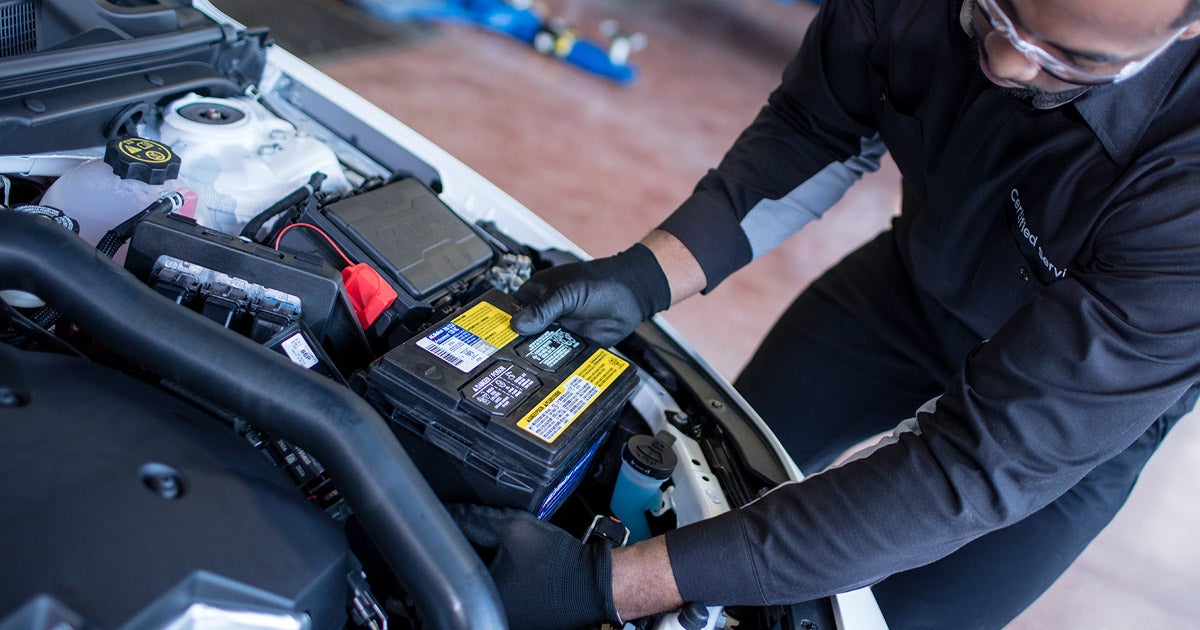
service technician installing vehicle battery

Battery Problems in Hot Weather: Why North Carolina Summer Affect Your Car

If you've ever walked out to your vehicle on a hot North Carolina afternoon only to hear a slow crank - or worse, nothing at all - you've experiences one of the most common summer vehicle issues: battery failure. Many drivers assume cold winter weather is the biggest threat to a car battery. While winter can expose a weak battery, extreme summer heat is actually one of the leading causes of battery deterioration. In Eastern North Carolina, where temperatures frequently climb into the 90s and humidity remains high throughout the summer, your vehicle's battery works hard that you may realize. Here's what every driver should know about protecting their battery during North Carolina's hottest months. Why Summer Heat Damages Car Batteries Your vehicle's battery contains a chemical solution that creates electricity. High temperatures speed up the chemical reactions inside the battery, which may sound beneficial - but over time, excessive heat accelerates internal wear and shortens battery life. Summer heat can: cause battery fluid to evaporate increase corrosion on battery terminals damage internal battery components reduce overall battery lifespan make older batteries more likely to fail unexpectedly For drivers throughout Goldsboro, Kinston, Smithfield, Wilson, and surrounding areas, prolonged exposure to heat can take years off a battery's useful life. Common Signs Your Battery May Be Failing Battery problems rarely happen without warning. Watch for these common symptoms to avoid being left awaiting assistance with a failed battery: Slow Engine Cranking If your engine turns over more slowly than normal when starting, your battery may be losing strength. This is probably the most noticable symptom drivers experience. Dim Headlights Weak batteries often struggle to provide consistent power, which can cause strain on your charging system. This strain can manifest as headlights or interior lights that appear dim. You can also spot this symptom if your charging system (alternator) is failing, causing your vehicle to rely only on the battery for power. Electrical Issues Modern vehicles rely heavily on electronics. A weakening battery may cause: infotainment system glitches power window issues dashboard warning lights power steering issues intermittent electrical problems Battery Warning Light If the battery indicator appears on your dash, especially after your vehicle is started and running, schedule an inspection as soon as possible. Battery Age Most vehicle batteries last between 3 and 5 years. If yours is approaching that range, summer heat could push it past its limit. This battery age range is a great time to schedule a service visit to have your battery tested. Why Batteries Often Fail Without Warning One reason battery issues are frustrating is that they can seem sudden. Heat slowly weakens the battery throughout spring and summer monthd. Then one day, after a quick stop at a store or restaurant, the battery no longer has enough power to restart the vehicle. In some cases, a battery with a failing or dead cell may show few warning signs during normal driving. However, once the vehicle has been driven and both the engine and battery have warmed up, the battery may no longer be able to provide enough power to start the engine. This is why some drivers experience a vehicle that starts normally when cold but struggles to restart after running errands or making multiple stops. This is especially common during vacation season when drivers are making longer trips and relying heavily on air conditioning, navigation systems, and charging devices. How to Extend Battery Life During North Carolina Summers Fortunately, a few simple habits can help proect your battery. Park in the Shade When Possible Reducing direct sunlight can lower under-hood temperatures significantly. Lower under-hood temperatures mean lower temperatures around your battery. If your vehicle will remain parked for extended periods of time, seek out an area that will at least apply partial shade during your park to lessen the amount of direct sunlight your vehicle receives. Keep Battery Terminals Clean Corrosion can restrict electrical flow and reduce battery performance. Corrosion can be cleaned up mechanically with a battery terminal and post cleaning brush, or by using terminal cleaning chemical sprays. You can do these yourself with simple tools, or you can have a cleaning done during your next service visit if one is needed. Limit Short Trips Frequent short drives may not give the alternator enough time to fully recharge the battery. Some vehicle's charging systems do not engage at idle and require the vehicle to be in motion or beyond a certain RPM for the system to engage. Schedule Regular Battery Testing Routine testing can identify a weakening battery before it leaves you stranded. You can include battery testing in your scheduled routine service visits for added peace of mind. Check Charging System Performance Sometimes the problem isn't the battery itself but the alternator or charging system. A failing charging system can cause your vehicle to rely solely on the battery to power all of the electronics on your vehicle. This can cause additional stress and early failure of your battery. If you suspect your charging system may be underperforming you can have it checked along with your battery to help reduce the risk of breakdown. Is Your Vehicle More at Risk? Certain vehicles may place additional demands on the battery, including: vehicles with advance technology packages SUVs with multiple electronic accessories trucks used for towing vehicles that sit unused for extended periods older vehicles with original batteries If your vehicles falls into one or more of these categories, battery inspections become even more important during the heat of the summer. Preparing for Summer Road Trips Before heading to the beach, the mountains, or a weekend getaway, consider adding a battery check to your travel preparation checklist. A quick inspection can help you indentify: low battery voltage corrosion buildup loose connections charging system concerns Addressing these issues before your trip can prevent unexpected breakdowns and costly roadside assistance calls. If you are in the planning stages for a summer road trip, you may enjoy reading our post on the Best Weekend Road Trips from Goldsboro, NC! When Should You Replace Your Battery? If your battery is over three years old and showing signs of weakness, replacement may be the safest option - especially before peak summer travel season. Battery testing can determine whether replacement is necessary or if your current battery still has sufficient reserve capacity. You can also find additional road trip prep tips in our post dedicated to Getting Your Vehicle Ready for Summer Driving. Schedule a Battery Inspection in Goldsboro, NC North Carolina summers can be tough on vehicle batteries, but routine maintenance helps prevent unwanted surprises. If you're noticing slow starts, warning lights, or simply want peace of mind before your next road trip, our service team can perform a battery and charging system inspection to ensure your vehicle is ready for the season. If you already have an upcoming service with us you can also ask your service writer to include a quick inspection to your existing visit when you arrive. Contact us today to schedule service and keep your vehicle running reliably throughout the North Carolina summer. You can reach us by phone, online, or by stopping by in person.