

Blog / Vehicle Guides

Blog

All Vehicle Guides Local Guides Travel Guides Seasonal Maintenance Guides Doug Henry Buick GMC Service Goldsboro Used Cars Buying Guides Finance Guides Goldsboro Buick Service Service Guides Towing
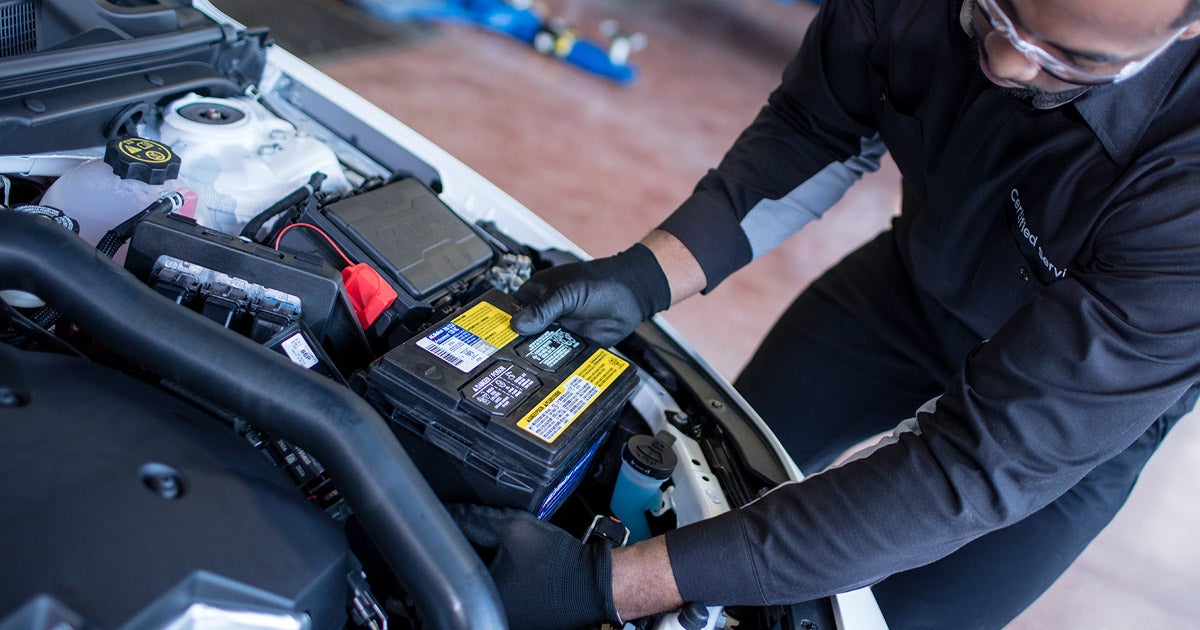
service technician installing vehicle battery

Battery Problems in Hot Weather: Why North Carolina Summer Affect Your Car

If you've ever walked out to your vehicle on a hot North Carolina afternoon only to hear a slow crank - or worse, nothing at all - you've experiences one of the most common summer vehicle issues: battery failure. Many drivers assume cold winter weather is the biggest threat to a car battery. While winter can expose a weak battery, extreme summer heat is actually one of the leading causes of battery deterioration. In Eastern North Carolina, where temperatures frequently climb into the 90s and humidity remains high throughout the summer, your vehicle's battery works hard that you may realize. Here's what every driver should know about protecting their battery during North Carolina's hottest months. Why Summer Heat Damages Car Batteries Your vehicle's battery contains a chemical solution that creates electricity. High temperatures speed up the chemical reactions inside the battery, which may sound beneficial - but over time, excessive heat accelerates internal wear and shortens battery life. Summer heat can: cause battery fluid to evaporate increase corrosion on battery terminals damage internal battery components reduce overall battery lifespan make older batteries more likely to fail unexpectedly For drivers throughout Goldsboro, Kinston, Smithfield, Wilson, and surrounding areas, prolonged exposure to heat can take years off a battery's useful life. Common Signs Your Battery May Be Failing Battery problems rarely happen without warning. Watch for these common symptoms to avoid being left awaiting assistance with a failed battery: Slow Engine Cranking If your engine turns over more slowly than normal when starting, your battery may be losing strength. This is probably the most noticable symptom drivers experience. Dim Headlights Weak batteries often struggle to provide consistent power, which can cause strain on your charging system. This strain can manifest as headlights or interior lights that appear dim. You can also spot this symptom if your charging system (alternator) is failing, causing your vehicle to rely only on the battery for power. Electrical Issues Modern vehicles rely heavily on electronics. A weakening battery may cause: infotainment system glitches power window issues dashboard warning lights power steering issues intermittent electrical problems Battery Warning Light If the battery indicator appears on your dash, especially after your vehicle is started and running, schedule an inspection as soon as possible. Battery Age Most vehicle batteries last between 3 and 5 years. If yours is approaching that range, summer heat could push it past its limit. This battery age range is a great time to schedule a service visit to have your battery tested. Why Batteries Often Fail Without Warning One reason battery issues are frustrating is that they can seem sudden. Heat slowly weakens the battery throughout spring and summer monthd. Then one day, after a quick stop at a store or restaurant, the battery no longer has enough power to restart the vehicle. In some cases, a battery with a failing or dead cell may show few warning signs during normal driving. However, once the vehicle has been driven and both the engine and battery have warmed up, the battery may no longer be able to provide enough power to start the engine. This is why some drivers experience a vehicle that starts normally when cold but struggles to restart after running errands or making multiple stops. This is especially common during vacation season when drivers are making longer trips and relying heavily on air conditioning, navigation systems, and charging devices. How to Extend Battery Life During North Carolina Summers Fortunately, a few simple habits can help proect your battery. Park in the Shade When Possible Reducing direct sunlight can lower under-hood temperatures significantly. Lower under-hood temperatures mean lower temperatures around your battery. If your vehicle will remain parked for extended periods of time, seek out an area that will at least apply partial shade during your park to lessen the amount of direct sunlight your vehicle receives. Keep Battery Terminals Clean Corrosion can restrict electrical flow and reduce battery performance. Corrosion can be cleaned up mechanically with a battery terminal and post cleaning brush, or by using terminal cleaning chemical sprays. You can do these yourself with simple tools, or you can have a cleaning done during your next service visit if one is needed. Limit Short Trips Frequent short drives may not give the alternator enough time to fully recharge the battery. Some vehicle's charging systems do not engage at idle and require the vehicle to be in motion or beyond a certain RPM for the system to engage. Schedule Regular Battery Testing Routine testing can identify a weakening battery before it leaves you stranded. You can include battery testing in your scheduled routine service visits for added peace of mind. Check Charging System Performance Sometimes the problem isn't the battery itself but the alternator or charging system. A failing charging system can cause your vehicle to rely solely on the battery to power all of the electronics on your vehicle. This can cause additional stress and early failure of your battery. If you suspect your charging system may be underperforming you can have it checked along with your battery to help reduce the risk of breakdown. Is Your Vehicle More at Risk? Certain vehicles may place additional demands on the battery, including: vehicles with advance technology packages SUVs with multiple electronic accessories trucks used for towing vehicles that sit unused for extended periods older vehicles with original batteries If your vehicles falls into one or more of these categories, battery inspections become even more important during the heat of the summer. Preparing for Summer Road Trips Before heading to the beach, the mountains, or a weekend getaway, consider adding a battery check to your travel preparation checklist. A quick inspection can help you indentify: low battery voltage corrosion buildup loose connections charging system concerns Addressing these issues before your trip can prevent unexpected breakdowns and costly roadside assistance calls. If you are in the planning stages for a summer road trip, you may enjoy reading our post on the Best Weekend Road Trips from Goldsboro, NC! When Should You Replace Your Battery? If your battery is over three years old and showing signs of weakness, replacement may be the safest option - especially before peak summer travel season. Battery testing can determine whether replacement is necessary or if your current battery still has sufficient reserve capacity. You can also find additional road trip prep tips in our post dedicated to Getting Your Vehicle Ready for Summer Driving. Schedule a Battery Inspection in Goldsboro, NC North Carolina summers can be tough on vehicle batteries, but routine maintenance helps prevent unwanted surprises. If you're noticing slow starts, warning lights, or simply want peace of mind before your next road trip, our service team can perform a battery and charging system inspection to ensure your vehicle is ready for the season. If you already have an upcoming service with us you can also ask your service writer to include a quick inspection to your existing visit when you arrive. Contact us today to schedule service and keep your vehicle running reliably throughout the North Carolina summer. You can reach us by phone, online, or by stopping by in person.
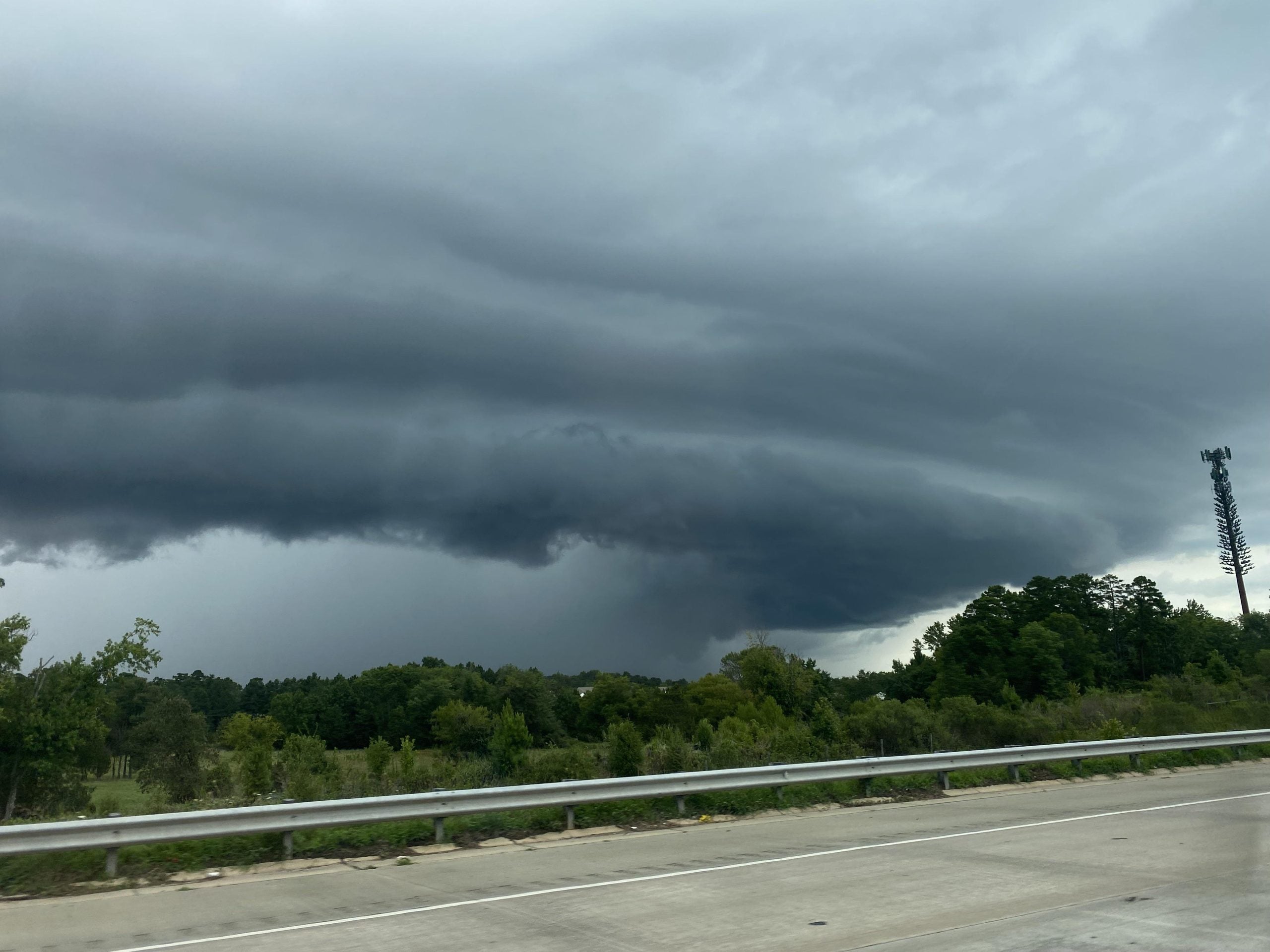
Dark storm clouds from a North Carolina highway

Hurricane Season Vehicle Prep: A North Carolina Driver's Checklist

Eastern North Carolina residents are no strangers to hurricane season, which runs from June 1 to November 30. Storms such as Hurricane Florence, Hurricane Matthew, and numerous tropical systems over the years have demonstrated how quickly weather conditions can change and how important preparation can be. From heavy rain and flash flooding to fallen trees and extended power outages, hurricanes can create serious challenges for vehicle owners. Whether you're commuting around Goldsboro, traveling along Highway 70, or preparing for a possible evacuation, taking a few preventative steps now can help protect your vehicle and keep your family safer when storms arrive. Here's a practical hurricane season vehicle preparation checklist to help North Carolina drivers protect their vehicles and prepare for severe weather. Why Hurricane Season Matters for Eastern North Carolina Drivers Eastern North Carolina regularly experiences: heavy rainfall flash flooding high winds downed power lines road closures debris-covered roadways Even tropical storms that never reach hurricane strength can cause significant vehicle damage and travel disruptions. For drivers in Wayne County and surrounding communities, preparation before a storm arrives is often much easier than dealing with repairs afterward. If you happen to currently be in the market for a vehicle you will also want to make sure the vehicle you are considering is storm-ready before purchase as well. If you are unsure what vehicle may work best for your needs you may enjoy reading our SUV vs Truck post to help you make your decision. Check Your Battery Before Storm Season Summer heat is already tough on vehicle batteries. When hurricane-related power outages occur, many drivers depend on their vehicles for: transportation phone charging emergency travel access to supplies Your vehicle will often give you signs that its battery is getting weak or in low health. Warning signs of a weakening battery include: slow engine cranking dim headlights dashboard battery warning lights corrosion around battery terminals If your battery is more than three years old, hurricane season is the perfect time to have it tested. Inspect Tires for Wet Weather Driving Tires are your first line of defense during heavy rain. Ensuring your tires are in good operating condition is crucial. When inspecting your tires be sure to check: tire tread depth tire pressure uneven wear patterns sidewall damage Worn tires increase the risk of hydroplaning, especially during sudden downpours common throughout Eastern North Carolina. Properly inflated tires also improve handling and braking performance when roads become slick. Verify Your Windshield Wipers Are Ready Many drivers don't realize how quickly wiper blades wear out. If your blades leave streaks, skip across the windshield, or make unusual noises, replacement may be needed. Maintaining good wipers is key to maintaining good visibility, which becomes especially important during: tropical storms heavy rain bands evacuation traffic nighttime driving in severe weather Most experts recommend replacing wiper blades every 6-12 months. If you notice any tears, cracks, or missing pieces in your wipers, then you will want to replace them immediately even if you are well within the replacement window. Top Off Essential Fluids Before hurricane season peaks, you are also going to want to ensure that your vehicle's fluids are at the proper levels. Fluids that are essential to have checked: engine oil coolant brake fluid windshield washer fluid transmission fluid Maintaining proper fluid levels helps ensure your vehicle performs reliably during emergency travel or extended periods of driving. You may find our Oil Change Guide helpful in preparing for possible severe weather. Keep Your Fuel Tank at Least Half Full One of the simplest hurricane preparedness tips is keeping extra fuel available. Though simple, this tip does require a bit of extra planning. Daily driving habits and routines can be altered as storms approach due to: gas stations experiencing long lines fuel deliveries being delayed power outages preventing pump operation Keeping your tank at least half full provides added flexibility if evacuation becomes necessary. It also adds flexibility if roads become impassable and your trips to fuel stations, work, or supplies become longer than normal. Prepare for Possible Evacuation Orders While not every storm results in an evacuation order, drivers should have a plan in place before hurricane season reaches its peak. Familiarize yourself with evacuation routes in your area, keep important documents accessible, and ensure your vehicle is capable of making longer trips if necessary. North Carolina evacuation routes are often marked along major highways and roads to help residents move away from affected areas safely. Waiting until a storm is approaching can make preparation much more difficult due to increased traffic and supply shortages. This is an even bigger factor if you live closer to the coast, near river basins, or flood-prone areas. These areas are more likely to receive evacuation orders or require evacuation due to higher flood risks. Assemble an Emergency Vehicle Kit Every North Carolina driver should keep a basic emergency kit in their vehicle. A few simple items can help make waits for roadside assistance, evacuation traffic, and road closure detours safer and more comfortable for vehicle passengers. A few items we recommend for a hurricane car checklist are: Safety Supplies flashlight extra batteries reflective triangles first-aid kit Communication Tools portable phone charger charging cables battery bank Emergency Necessities bottled water non-perishable snacks rain poncho blanket basic tool kit These supplies can be especially helpful during extended power outages, or if you end up stuck due to a road closure or evacuation traffic. They are also beneficial should you need to exit your vehicle to secure cargo or change a tire. Avoid Flooded Roads One of the most important hurricane safety reminders we can offer is: Never drive through floodwater. Just six inches of moving water can affect vehicle control, while deeper water can stall engines or sweep vehicles away. Beyond what the water itself can do, floodwater can also hide other threats such as: washed-out pavement debris sinkholes downed utility lines When it comes down to driving during or after hurricane conditions the safest rule is simple: Turn around, don't drown. Protect Your Vehicle from Flood Damage If severe flooding is expected in your area there are a few additional steps you may want to take: moving your vehicle to high ground avoiding low-lying parking areas parking away from large trees when possible considering covered parking if available Flood damage can affect more than just the roads we drive on, it can affect our vehicles as well. Flood damage could cause issues with your vehicle's: electrical system engine transmission interior components Many flood-related repairs can be extensive and expensive. Even if a flood-damaged vehicle appears to operate normally afterward, hidden electrical and mechanical damage can create long-term reliability and safety concerns. Flood-damaged vehicles can also present health risks if interiors become wet and are not properly dried. Moisture trapped inside a vehicle can create a breeding ground for mold and mildew. Review Your Insurance Coverage Before storm season intensifies, review your auto insurance policy. Many drivers discover coverage gaps only after the damage has already occurred. It could be beneficial to check and verify whether your insurance policy includes: comprehensive coverage flood-related vehicle damage wind damage falling object damage Understanding your coverage beforehand can reduce stress after a storm. Another important note to consider is that many insurance companies will not allow you to make changes to your policy during a declared state of emergency. So it's best to check and make adjustments to your coverages before a storm ever makes landfall. Schedule a Pre-Hurricane Season Vehicle Inspection Preparing your vehicle before hurricane season arrives can help reduce the risk of unexpected breakdowns when severe weather strikes. A professional inspection can help identify potential issues with: battery performance tire condition brakes fluid levels wiper blades overall vehicle readiness If you're preparing for hurricane season in Goldsboro or anywhere in Eastern North Carolina, the service team at Doug Henry Buick GMC can help make sure your vehicle is ready for whatever the season brings. From battery testing and tire inspections to fluid checks and multi-point inspections, our team can help identify potential issues before severe weather arrives. Contact us today to schedule a service appointment or stop by with any questions about recommended maintenance for your vehicle.

Seymour Johnson AFB Entrance

PCS Moving Checklist for Service Members Moving to North Carolina

Military service members and their families often live on or near the base they are currently stationed at. However, one routine part of military service life is a PCS move. PCS moves can be stressful as you prepare to pack your belongings and move near a new duty station. Adjusting to a new area can also add stress during a PCS move, especially when local driving conditions differ from your previous duty station. Families stationed at Seymour Johnson often deal with highway travel, hurricanes, commuting and family transportation needs. This PCS checklist can help military families prepare their vehicles and transportation plans before arriving in Eastern North Carolina. Prepare Your Vehicle Before the Move Packing and logistics are often at the forefront of drivers' minds when they receive PCS orders. However, many practical vehicle items often can get overlooked. Regular maintenance like an oil change, tire inspection, or brake inspection is often the furthest thing from a driver's mind when they receive orders. A few items to make sure to check before you make the move that will help you deal with the long highway drives and possibly the summer heat in NC are: oil change tire inspection brake inspection battery test fluid check wiper blades AC performance The best way to ensure a safe trip is to prepare your vehicle before the journey. Making sure your regular maintenance is up to date and checking those few other things before you depart can make a world of difference. Update Registration, Insurance, and Driver Information Before making your move, you may want to investigate updating your vehicle registration as well as filing for an address change with the post office, and your insurance companies. While some services may require you to appear in person, many North Carolina DMV services can be handled online through the official DMV website. Completing anything that you can online prior to your move can aid in the time it takes you to get established here in North Carolina as some DMV tasks require an appointment if done in person. Another important factor in your PCS move is keeping all of your paperwork organized during travel. While many documents can be accessed online it is common for physical copies or even original copies to be required when setting up address changes, insurance, and registrations. Plan for Eastern North Carolina Weather Eastern North Carolina residents often say "if you don't like the weather, just wait 24 hours". With this being said it is important to be as prepared as you can be for the Eastern North Carolina weather. Depending on the season, you may face the summer heat which is often not just hot but very humid. During spring and hurricane season, you may experience heavy rain and flooding, especially in coastal areas and areas near local river basins. Winter, while often not overly cold, can still bring in the occasional icy front. While you cannot be prepared for every possible weather event, there are a few things that you can keep with you when you travel should you find yourself on the road, waiting on roadside assistance. Preparing ahead of time can help reduce stress and make your PCS move smoother from the start. A few items you can keep in your vehicle to help with this are: emergency kits flashlight portable battery pack tire inflator kit bottled water snacks (if kids are traveling with you) Another useful item to keep in your vehicle is a rain poncho should you need to change a flat tire on the side of the road. Choosing the Right Vehicle for Military Family Life Many military families shopping for used SUVs, used cars, or used trucks in Eastern North Carolina prioritize reliability, cargo space, and long-distance comfort. If your daily commute involves traveling to Seymour Johnson AFB, fuel economy and highway comfort may become a bigger priority. The right vehicle for your family is going to vary based on your family's needs. If your new home involves a commute to Seymour Johnson AFB, or you are a larger family, an SUV may be the best vehicle for your needs. SUVs often provide strong fuel economy for long-distance travel compared to both full and mid-size trucks. SUVs also provide more cargo space and greater passenger comfort capability over trucks and sedans. While SUVs typically handle cargo better than sedans when it comes to travel and PCS moves, if your needs once you arrive rely heavily on daily commuting a sedan may provide you the best option for lower cost of ownership. Trucks provide powerful towing capabilities giving you access to trailers for your move or campers and other outdoor gear if your family has more of an outdoor lifestyle. Modern trucks do offer additional engine options that are more fuel efficient than truck engines of the past and help to narrow the gap between the MPG of SUVs and trucks. Tips for Long-Distance PCS Driving Before you depart from your current station, plan your trip. Work in fuel and rest area stops into your drive so that everyone can remain as comfortable as possible during the drive. When loading your cargo make sure to distribute the weight as evenly as possible and do not overload your cargo area. Too much weight, or items stacked too high can cause issues with your ability to safely stop your vehicle and can decrease your visibility of surrounding traffic conditions. Inspect your tires before you travel, make sure your tire pressures are where they need to be and be sure to store your important documents and roadside emergency kit inside your vehicle in an area that is easily accessible should you need either during your journey. If your PCS move involves kids or pets, be sure to plan for them accordingly. Have water, drinks, and snacks available should you get stuck in heavy traffic, bad weather, or waiting on roadside assistance. Small adjustments like this can make a huge difference should you be met with the unexpected. Getting Settled in Goldsboro and Eastern NC While the PCS move itself may be stressful, many military families begin to appreciate the area once they arrive and settle in. While there are a lot of rural roads there are a lot of highways as well. Many daily commutes involve a mix of these rural roads and highways. The connection between rural roads and larger highways helps make travel around Eastern North Carolina more convenient, especially when daily commutes do not require constant stops through town traffic. These highways also lead you out to some great weekend trips. In only a couple of hours you can reach Raleigh, New Bern, Wilmington, and the beautiful Outer Banks from right here in Goldsboro. If you are new here to Wayne County, or will be arriving soon, you may enjoy reading our guide to the Best Weekend Trips from Goldsboro, NC! Should You Buy a Vehicle Before or After Your PCS? Whether you should buy before or after your PCS is really going to depend on your current situation. The best way to determine which will work best for you is to compare and consider each of the options. Buy Before PCS if: your current vehicle is unreliable you want a predictable move you want financing already established Buy After PCS if: you are unsure of local needs you want to test commutes first you need to evaluate parking and storage Making Your PCS Move to Eastern North Carolina Easier Our team is proud to work with military families stationed at Seymour Johnson AFB and throughout Eastern North Carolina. Whether you need to schedule service, explore our inventory online, or prepare your vehicle for an upcoming PCS move, our team is ready to help answer your questions.

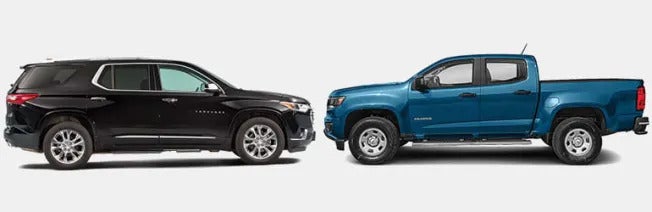
SUV vs Truck head to head

SUV vs Truck: Which is Better for Eastern North Carolina Drivers?

Drivers in Goldsboro and throughout Eastern North Carolina rely on their vehicles for many different needs. Some drivers need towing power and cargo space, while others prioritize family seating, highway comfort, or better fuel economy. Military families and daily commuters may have different priorities than other Eastern North Carolina drivers. The "best" option for you depends on how much you actually drive around Goldsboro and Eastern NC. In this guide, we'll compare SUVs and trucks for North Carolina driving conditions so you can decide which vehicle fits your lifestyle best. When an SUV Makes More Sense SUVs are a popular choice for drivers in Goldsboro and Eastern North Carolina. They provide more interior passenger space, better fuel economy, easier parking in town, and are often lower ownership costs than trucks. SUVs can also provide easier cargo protection from the ever-changing Eastern North Carolina weather. SUVs like the GMC Terrain, or Ford Explorer are often the better choice for families, making events like school drop-offs easier on the family. Daily commutes to Seymour Johnson AFB, weekend beach trips, and highway travel to larger towns like Raleigh or Wilmington are often more comfortable and more fuel efficient in SUVs like the Chevy Equinox or Toyota Highlander. When a Truck Is the Better Choice While SUVs are ideal for many daily drivers and families, trucks offer advantages that are hard to ignore for drivers who need additional capability. Trucks also make up a large part of the vehicle market in Eastern North Carolina. Their ability to tow boats and trailers, aid in home improvement projects, and ease rural property work make trucks valuable assets. Trucks offer easy access to hauling camping and other outdoor gear for hunting and fishing trips as well. Another benefit to trucks, like the Toyota Tacoma or Chevy Silverado is their ability to aid in hurricane and other storm preparedness. Whether it is packing up for an evacuation from coastal regions and navigating rural roads or just cleaning up debris during hurricane season, trucks like the GMC Sierra, and Ford F-150 provide their drivers with peace of mind. Fuel Economy: SUVs vs Trucks When it comes to MPG ratings, SUVs usually come out ahead of trucks. Trucks typically cost more to fuel than SUVs, especially full-size trucks. Full-size trucks today do offer turbocharged engine options that have improved fuel economy over their non-turbo counterparts and smaller trucks like the Ford Ranger and GMC Canyon help to narrow the gap between SUV and truck fuel economy. Vehicle Type Typical MPG Best For Compact SUV - - - 25-35 MPG - - - Daily Commuting - Mid-size SUV - - - 20-28 MPG - - - Families/travel - Full-size truck - - - 16-24 MPG - - - Towing/work - Mid-size truck - - - 20-27 MPG - - - Mixed use Which is Better for Military Families? Military life provides different challenges that other families may not experience or may experience infrequently. With PCS moves being a part of military life your vehicle needs to be ready to handle kids or car seats, long-distance travel, storage space, and highway comfort. SUVs often make it easier for daily family life around Seymour Johnson AFB while trucks make sense for hauling equipment, trailers, and for outdoor lifestyles. What works best for you is going to be dependent on your personal needs and budget. Many military families also value SUVs because of their flexibility during PCS moves and long highway trips. Features like fold-flat seating, cargo space, and advanced safety technology can make frequent travel much more manageable. Weather and Road Conditions in Eastern NC Weather conditions in Eastern North Carolina can change quickly throughout the year. Heavy summer rains, hurricane season, rural roads, flood-prone areas, and the occasional winter ice can all affect your normal driving habits. AWD SUVs can be excellent for most drivers to deal with the varying weather here in Eastern North Carolina, but trucks offer extra capability for tougher conditions like those found during hurricane season. Cost of Ownership Comparison There are several items that factor into the cost of your vehicle beyond price. You have insurance and financing to consider but you also have your basic vehicle needs to consider as well. Vehicles have costs that many drivers do not often consider such as replacing tires, maintenance visits and filling the tank. Typically SUVs have lower operating costs being both more fuel efficient and more inexpensive for general maintenance. They also typically have better practicality for families over trucks and even sedans. Trucks tend to have higher upfront costs as well as lower MPG causing you to pay more at the pump. However, the upside on trucks is that they typically have stronger resale values than many other vehicle types meaning you keep more of your investment should you sell or trade your vehicle in the future. Should You Buy an SUV or Truck in Eastern North Carolina? Which is better for you, the SUV or the truck? That is going to depend on what is most needed out of your vehicle for your household. Choose an SUV if you: If you spend most of your time driving on highways or maneuvering through city traffic, an SUV may be the better fit for your needs. If better fuel economy and family seating are important for your household, then the SUV is a solid choice. SUVs also work well for drivers who frequently take road trips throughout North Carolina and surrounding areas. Choose a Truck if you? If towing and hauling equipment or materials are priorities for your lifestyle, then a truck may be the best option for your needs. Trucks also tend to be better options if you spend a lot of time outdoors or need a little extra utility out of your vehicle. Which Vehicle Fits Your Eastern North Carolina Lifestyle? Whether you need the comfort and efficiency of an SUV or the utility and capability of a truck, choosing the right vehicle starts with understanding your daily driving needs. If you're still deciding between an SUV or truck, the best way to compare is to test drive both. Our team can help you find the right vehicle for your budget, lifestyle, and driving needs here in Eastern North Carolina. Browse our available truck and SUV inventory online, apply for financing, or value your trade before visiting our Goldsboro dealership.

Contact Us

Fill out this form below and we'll contact you shortly
*Required Fields