



Eastern North Carolina drivers spend a lot of time on major highways like US-70, I-95, I-40, and US-117. Whether you’re commuting daily for work, heading to the coast for a weekend trip, or making frequent trips to Raleigh or Wilmington, your tires play a critical role in safety, fuel economy, and vehicle performance.
Proper tire maintenance can help extend tire life, improve handling, and reduce the risk of roadside breakdowns. In this guide, we’ll cover some of the most important maintenance practices every Eastern North Carolina driver should know.
Why Tire Maintenance Matters for Highway Drivers
Highway driving across Eastern North Carolina creates unique stresses on tires that you don’t get with shorter commutes. These longer drives can add additional wear and tear to your vehicle’s tires. This can increase the risk of tire failure, especially when tires have not been properly maintained or inspected.
Long-distance driving can lead to:
- increased tire temperature
- faster tread wear
- greater risk of blowout if tires are underinflated
- reduced traction during heavy rain
Since Eastern North Carolina experiences hot summers and frequent storms, tire condition becomes even more important throughout the year. Checking pressures, rotating tires, and visually inspecting your tires are all essential to maintaining safe and healthy tire conditions.
Check Tire Pressure Monthly
One of the easiest maintenance tasks is monitoring tire pressure. Many vehicles today monitor tire pressure in real time, however, it is still a good idea to check these manually with your own gauge. Vehicles rely on an electric tire pressure monitoring system (TPMS), which can fail or malfunction causing readings to be inaccurate or not appear at all. While many vehicles have TPMS some do not give you pressure readings and instead only notify you once your tire has lost 25% of its recommended pressure. So for a tire that should have 32 PSI of pressure your vehicle may not notify you that a tire is underinflated until it reached 24 PSI of pressure.
So even though your vehicle may be equipped with TPMS it is still a good idea to manually check your tires at least occasionally.
Why It Matters
Underinflated tires can:
- wear unevenly
- reduce fuel economy
- increase stopping distance
- generate excess heat
Overinflated tires can:
- create a rougher ride
- reduce traction
- cause premature center tread wear
Pro Tip
Check tire pressure when tires are cold and compare the reading to the manufacturer’s recommended pressure which is often listed on the driver’s door jamb. During most of the year checking your pressures when the tires are cold will give you the most accurate reading. As you drive the air in your tires will heat and expand and can give you a false reading should you wait until your tires are warm to check your pressures.
Rotate Tires Regularly
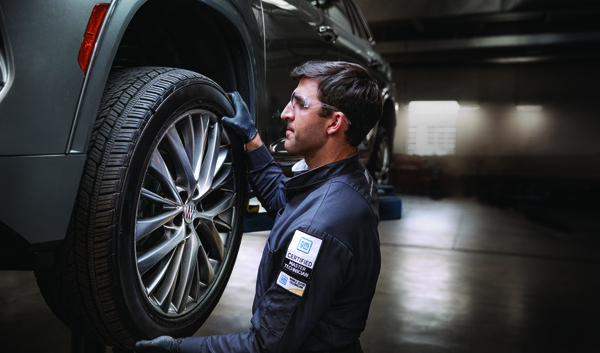
Tires wear differently depending on their position on the vehicle. Passenger weight, cargo distribution, and whether your vehicle is front-wheel, rear-wheel, or all-wheel drive can all affect tire wear patterns. This is why regular tire rotations are important for maintaining even tread wear and extending tire life.
Front tires often wear faster because they handle:
- steering
- braking
- a significant portion of vehicle weight
Recommended Schedule
Most manufacturers recommend rotating tires every 5,000 to 7,500 miles. Many drivers rotate their tires during routine maintenance visits, such as an oil change. Learn more about recommended service intervals in our Oil Change Guide for Drivers in Goldsboro, NC.
Regular tire rotations help:
- extend tire life
- improve ride quality
- promote even tread wear
Watch Your Tread Depth
Tread depth is essential for maintaining traction, especially during North Carolina’s rainy season. As tread wears down, your tires become less effective at channeling water away from the contact patch, increasing the risk of hydroplaning and reduced traction.
Signs Your Tread May Be Worn
- hydroplaning during rain
- longer stopping distance
- visible wear bars
- uneven tread patterns
The Penny Test
Insert a penny into the tread with Lincoln’s head facing down. If you can see the top of his head, it’s time to start shopping for new tires. If you are unsure with the penny test and want a professional opinion you can always schedule a visit with our team to have your tread depth inspected.
Proper tread depth becomes especially important during heavy rain and severe weather. Read our Hurricane Vehicle Prep Guide for additional storm-season driving tips.
Alignment Matters More Than You Think
Misalignment can quickly destroy a good set of tires and cause the need for premature replacement. If you have noticed any signs of misalignment it may be time to have a professional inspection to see if correction can be made or if it may be time for replacement.
Common Signs of Poor Alignment
- vehicle pulls left or right
- steering wheel is off-center
- uneven tire wear
- vibration while driving
Potholes, rough roads, and curb impacts can all affect alignment. If you have recently had any of these experiences and feel like you are starting to notice any of the signs above it may be wise to schedule a service visit to have your alignment and tires inspected.
Inspect Tires Before Road Trips
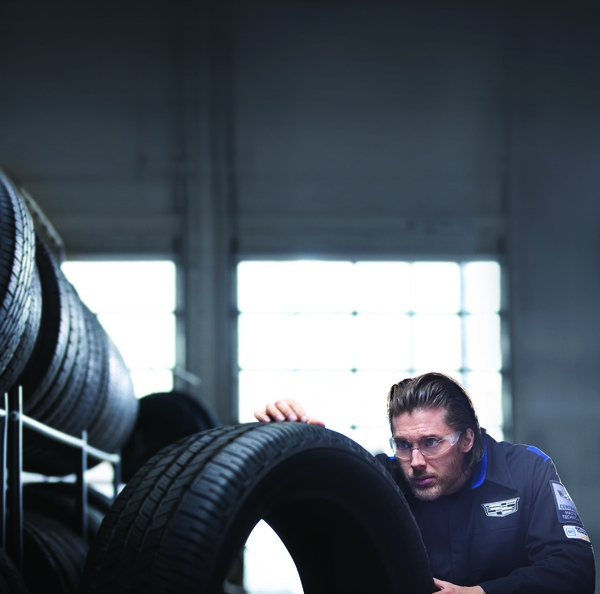
Before heading to the beach, mountains, or a family vacation, you will want to take a moment to walk around your vehicle and inspect your tires.
A few essential elements to keep a check on are:
- cracks in sidewalls
- bulges or bubbles
- embedded nails or debris
- uneven wear
- proper inflation
Be sure to check your tires in advance of your trip in case you end up needing tires replaced. A five-minute inspection can help prevent costly roadside problems. If you’re planning one of these local adventures, explore our guide to the Best Weekend Road Trips from Goldsboro.
Tire Maintenance During North Carolina Summer Heat
Summer temperatures can cause air pressure inside tires to increase causing additional stress and wear and tear on your tires.
Before long trips:
- check tire pressure
- avoid overloading the vehicle
- inspect tread depth
- ensure tires are properly balanced
Hot pavement combined with underinflated tires is one of the leading contributors to highway tire failures. Planning a summer getaway? Check out our Summer Road Trip Prep Guide for additional tips before hitting the road
Don’t Forget the Spare Tire
Many drivers forget about their spare until they need it. It is important to check prior to your trip as not all vehicles come with spare tires today. Some vehicles use run-flat tires and do not come with spares at all since the run-flat tire should hopefully give you enough driving distance to make it to a service center for replacement. Other vehicles may be equipped with a tire re-inflator kit which includes a 12-volt air compressor and a tire sealant.
Before a long trip, verify which emergency tire solution your vehicle uses so there are no surprises if you experience a flat tire away from home.
At least twice a year:
- check spare tire pressure
- inspect for visible damage
- confirm jack and tools are present
Being prepared can save significant time during an emergency. If your vehicle uses run-flat tires, or is equipped with a tire re-inflator kit you may still be able to carry a spare, but it will depend upon the design of your vehicle. Many vehicles with re-inflator kits still have an area in which a spare tire could be stored.
When Should You Replace Your Tires?
Ideally, drivers replace their tires before failure occurs. Monitoring your tires occasionally can help you keep track of their condition. You should consider replacement if:
- tread depth is below safe levels
- tires are several years old and beginning to show age-related deterioration
- sidewall damage is present
- frequent air loss occurs
- ride quality has noticeably deteriorated
Some defects, such as loss of air pressure, may not always be the fault of the tire itself. A faulty valve stem could be the culprit. In the end a professional inspection can determine whether replacement is necessary.
Keep Your Tires Road-Ready in Eastern North Carolina
Whether you’re commuting through Goldsboro, traveling I-95, driving US-70, or heading to the North Carolina coast, properly maintained tires help improve safety, maximize tire life, and provide greater peace of mind during every trip. Routine tire inspections can help identify potential problems before they become expensive repairs or roadside emergencies.
Regular tire inspections, rotations, pressure checks, and alignments can extend tire life and improve overall vehicle performance. If you’re unsure about the condition of your tires, schedule a professional inspection and address small issues before they become major repairs.
Need a Tire Inspection in Goldsboro?
Our service team can inspect your tire tread, check tire pressure, evaluate alignment, and help ensure your vehicle is ready for the miles ahead. Schedule your next service appointment today and drive with confidence throughout Eastern North Carolina.


