



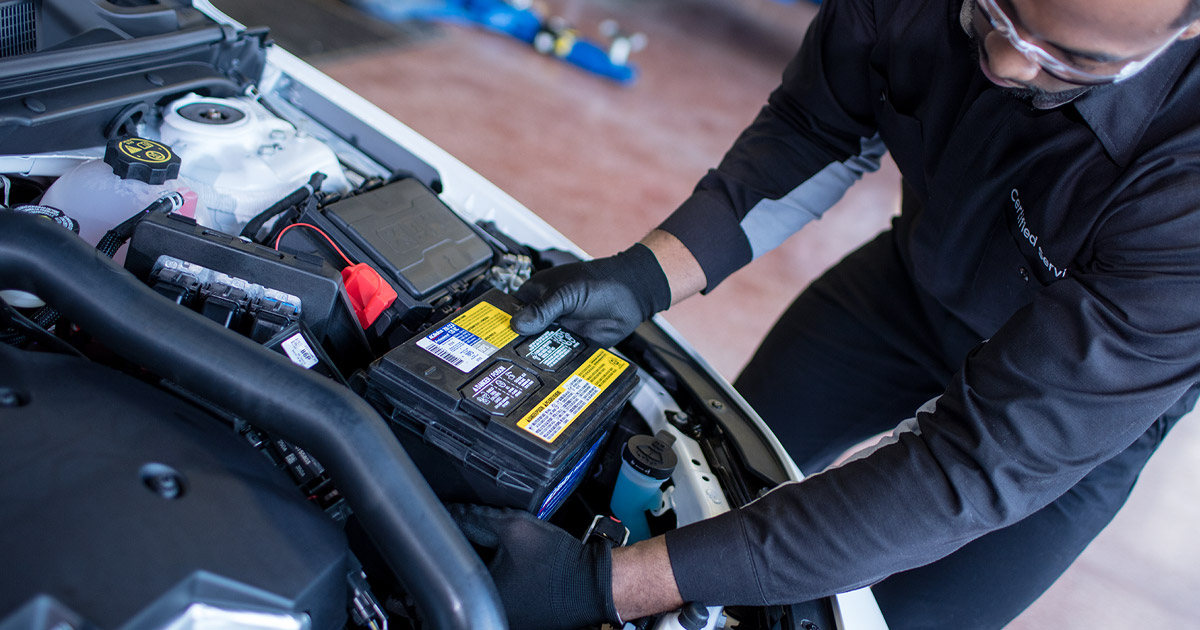
If you’ve ever walked out to your vehicle on a hot North Carolina afternoon only to hear a slow crank – or worse, nothing at all – you’ve experiences one of the most common summer vehicle issues: battery failure.
Many drivers assume cold winter weather is the biggest threat to a car battery. While winter can expose a weak battery, extreme summer heat is actually one of the leading causes of battery deterioration. In Eastern North Carolina, where temperatures frequently climb into the 90s and humidity remains high throughout the summer, your vehicle’s battery works hard that you may realize.
Here’s what every driver should know about protecting their battery during North Carolina’s hottest months.
Why Summer Heat Damages Car Batteries

Your vehicle’s battery contains a chemical solution that creates electricity. High temperatures speed up the chemical reactions inside the battery, which may sound beneficial – but over time, excessive heat accelerates internal wear and shortens battery life.
Summer heat can:
- cause battery fluid to evaporate
- increase corrosion on battery terminals
- damage internal battery components
- reduce overall battery lifespan
- make older batteries more likely to fail unexpectedly
For drivers throughout Goldsboro, Kinston, Smithfield, Wilson, and surrounding areas, prolonged exposure to heat can take years off a battery’s useful life.
Common Signs Your Battery May Be Failing
Battery problems rarely happen without warning. Watch for these common symptoms to avoid being left awaiting assistance with a failed battery:
Slow Engine Cranking
If your engine turns over more slowly than normal when starting, your battery may be losing strength. This is probably the most noticable symptom drivers experience.
Dim Headlights
Weak batteries often struggle to provide consistent power, which can cause strain on your charging system. This strain can manifest as headlights or interior lights that appear dim. You can also spot this symptom if your charging system (alternator) is failing, causing your vehicle to rely only on the battery for power.
Electrical Issues
Modern vehicles rely heavily on electronics. A weakening battery may cause:
- infotainment system glitches
- power window issues
- dashboard warning lights
- power steering issues
- intermittent electrical problems
Battery Warning Light
If the battery indicator appears on your dash, especially after your vehicle is started and running, schedule an inspection as soon as possible.
Battery Age
Most vehicle batteries last between 3 and 5 years. If yours is approaching that range, summer heat could push it past its limit. This battery age range is a great time to schedule a service visit to have your battery tested.
Why Batteries Often Fail Without Warning
One reason battery issues are frustrating is that they can seem sudden.
Heat slowly weakens the battery throughout spring and summer monthd. Then one day, after a quick stop at a store or restaurant, the battery no longer has enough power to restart the vehicle.
In some cases, a battery with a failing or dead cell may show few warning signs during normal driving. However, once the vehicle has been driven and both the engine and battery have warmed up, the battery may no longer be able to provide enough power to start the engine. This is why some drivers experience a vehicle that starts normally when cold but struggles to restart after running errands or making multiple stops.
This is especially common during vacation season when drivers are making longer trips and relying heavily on air conditioning, navigation systems, and charging devices.
How to Extend Battery Life During North Carolina Summers
Fortunately, a few simple habits can help proect your battery.
Park in the Shade When Possible
Reducing direct sunlight can lower under-hood temperatures significantly. Lower under-hood temperatures mean lower temperatures around your battery. If your vehicle will remain parked for extended periods of time, seek out an area that will at least apply partial shade during your park to lessen the amount of direct sunlight your vehicle receives.
Keep Battery Terminals Clean
Corrosion can restrict electrical flow and reduce battery performance. Corrosion can be cleaned up mechanically with a battery terminal and post cleaning brush, or by using terminal cleaning chemical sprays. You can do these yourself with simple tools, or you can have a cleaning done during your next service visit if one is needed.
Limit Short Trips
Frequent short drives may not give the alternator enough time to fully recharge the battery. Some vehicle’s charging systems do not engage at idle and require the vehicle to be in motion or beyond a certain RPM for the system to engage.
Schedule Regular Battery Testing
Routine testing can identify a weakening battery before it leaves you stranded. You can include battery testing in your scheduled routine service visits for added peace of mind.
Check Charging System Performance
Sometimes the problem isn’t the battery itself but the alternator or charging system. A failing charging system can cause your vehicle to rely solely on the battery to power all of the electronics on your vehicle. This can cause additional stress and early failure of your battery. If you suspect your charging system may be underperforming you can have it checked along with your battery to help reduce the risk of breakdown.
Is Your Vehicle More at Risk?
Certain vehicles may place additional demands on the battery, including:
- vehicles with advance technology packages
- SUVs with multiple electronic accessories
- trucks used for towing
- vehicles that sit unused for extended periods
- older vehicles with original batteries
If your vehicles falls into one or more of these categories, battery inspections become even more important during the heat of the summer.
Preparing for Summer Road Trips

Before heading to the beach, the mountains, or a weekend getaway, consider adding a battery check to your travel preparation checklist.
A quick inspection can help you indentify:
- low battery voltage
- corrosion buildup
- loose connections
- charging system concerns
Addressing these issues before your trip can prevent unexpected breakdowns and costly roadside assistance calls. If you are in the planning stages for a summer road trip, you may enjoy reading our post on the Best Weekend Road Trips from Goldsboro, NC!
When Should You Replace Your Battery?
If your battery is over three years old and showing signs of weakness, replacement may be the safest option – especially before peak summer travel season.
Battery testing can determine whether replacement is necessary or if your current battery still has sufficient reserve capacity. You can also find additional road trip prep tips in our post dedicated to Getting Your Vehicle Ready for Summer Driving.
Schedule a Battery Inspection in Goldsboro, NC
North Carolina summers can be tough on vehicle batteries, but routine maintenance helps prevent unwanted surprises.
If you’re noticing slow starts, warning lights, or simply want peace of mind before your next road trip, our service team can perform a battery and charging system inspection to ensure your vehicle is ready for the season. If you already have an upcoming service with us you can also ask your service writer to include a quick inspection to your existing visit when you arrive.
Contact us today to schedule service and keep your vehicle running reliably throughout the North Carolina summer. You can reach us by phone, online, or by stopping by in person.


