



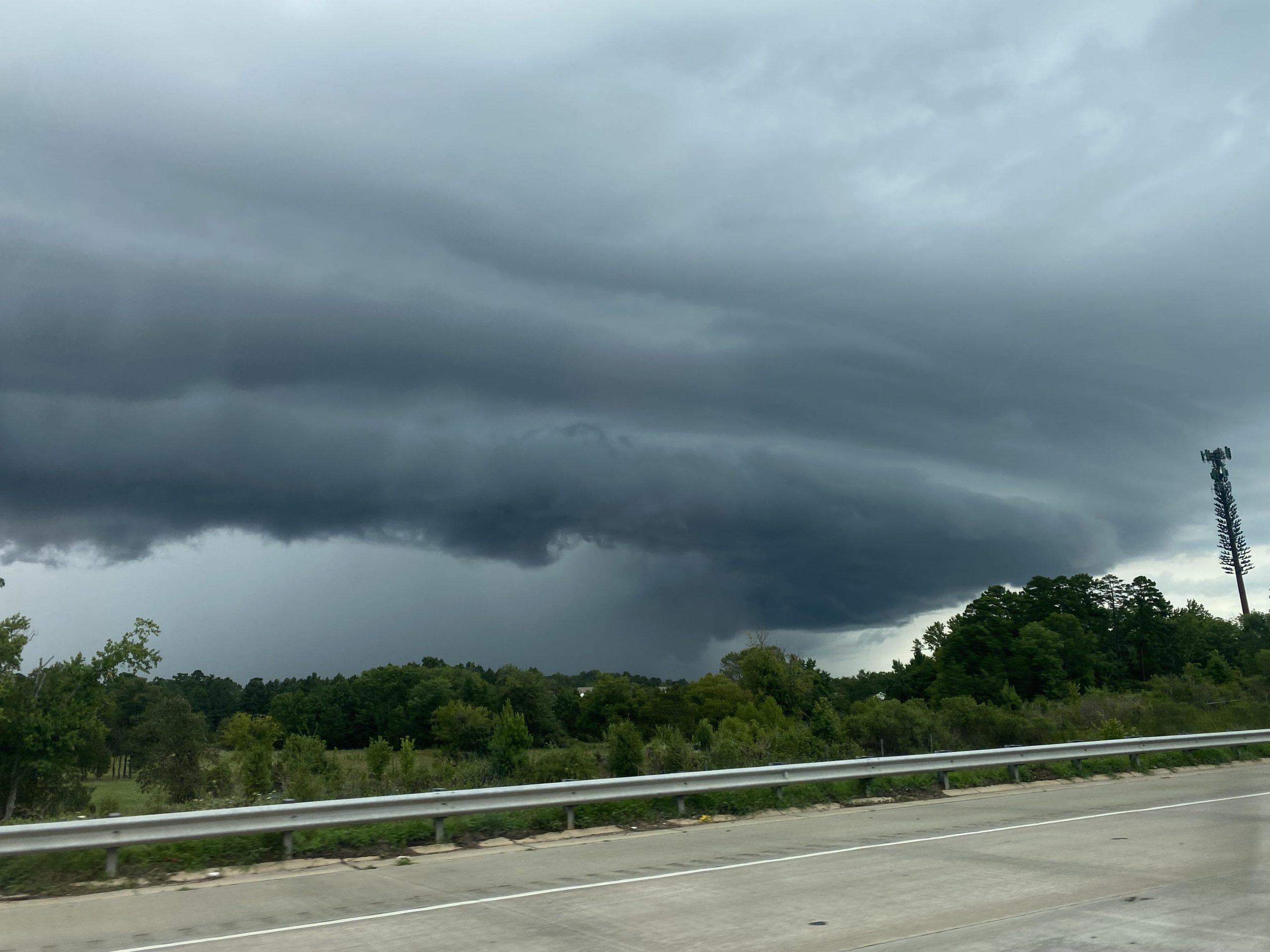
Eastern North Carolina residents are no strangers to hurricane season, which runs from June 1 to November 30. Storms such as Hurricane Florence, Hurricane Matthew, and numerous tropical systems over the years have demonstrated how quickly weather conditions can change and how important preparation can be. From heavy rain and flash flooding to fallen trees and extended power outages, hurricanes can create serious challenges for vehicle owners.
Whether you’re commuting around Goldsboro, traveling along Highway 70, or preparing for a possible evacuation, taking a few preventative steps now can help protect your vehicle and keep your family safer when storms arrive.
Here’s a practical hurricane season vehicle preparation checklist to help North Carolina drivers protect their vehicles and prepare for severe weather.
Why Hurricane Season Matters for Eastern North Carolina Drivers
Eastern North Carolina regularly experiences:
- heavy rainfall
- flash flooding
- high winds
- downed power lines
- road closures
- debris-covered roadways
Even tropical storms that never reach hurricane strength can cause significant vehicle damage and travel disruptions.
For drivers in Wayne County and surrounding communities, preparation before a storm arrives is often much easier than dealing with repairs afterward. If you happen to currently be in the market for a vehicle you will also want to make sure the vehicle you are considering is storm-ready before purchase as well. If you are unsure what vehicle may work best for your needs you may enjoy reading our SUV vs Truck post to help you make your decision.
Check Your Battery Before Storm Season
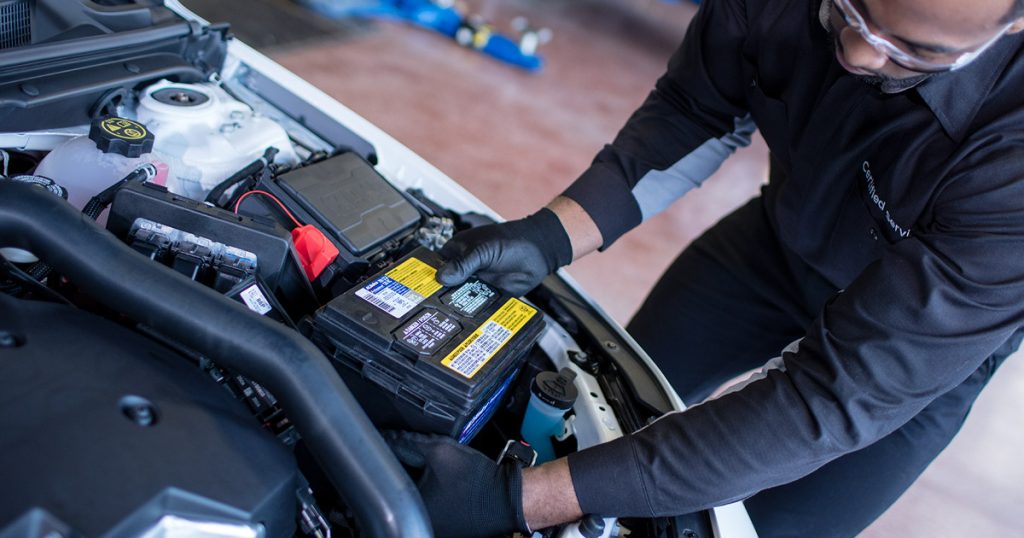
Summer heat is already tough on vehicle batteries.
When hurricane-related power outages occur, many drivers depend on their vehicles for:
- transportation
- phone charging
- emergency travel
- access to supplies
Your vehicle will often give you signs that its battery is getting weak or in low health. Warning signs of a weakening battery include:
- slow engine cranking
- dim headlights
- dashboard battery warning lights
- corrosion around battery terminals
If your battery is more than three years old, hurricane season is the perfect time to have it tested.
Inspect Tires for Wet Weather Driving
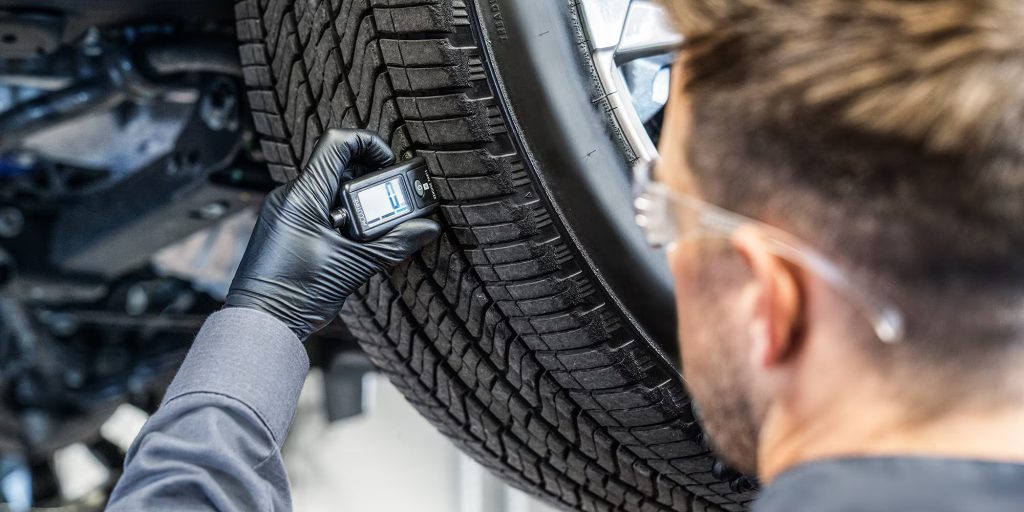
Tires are your first line of defense during heavy rain. Ensuring your tires are in good operating condition is crucial.
When inspecting your tires be sure to check:
- tire tread depth
- tire pressure
- uneven wear patterns
- sidewall damage
Worn tires increase the risk of hydroplaning, especially during sudden downpours common throughout Eastern North Carolina.
Properly inflated tires also improve handling and braking performance when roads become slick.
Verify Your Windshield Wipers Are Ready
Many drivers don’t realize how quickly wiper blades wear out.
If your blades leave streaks, skip across the windshield, or make unusual noises, replacement may be needed.
Maintaining good wipers is key to maintaining good visibility, which becomes especially important during:
- tropical storms
- heavy rain bands
- evacuation traffic
- nighttime driving in severe weather
Most experts recommend replacing wiper blades every 6-12 months. If you notice any tears, cracks, or missing pieces in your wipers, then you will want to replace them immediately even if you are well within the replacement window.
Top Off Essential Fluids
Before hurricane season peaks, you are also going to want to ensure that your vehicle’s fluids are at the proper levels. Fluids that are essential to have checked:
- engine oil
- coolant
- brake fluid
- windshield washer fluid
- transmission fluid
Maintaining proper fluid levels helps ensure your vehicle performs reliably during emergency travel or extended periods of driving. You may find our Oil Change Guide helpful in preparing for possible severe weather.
Keep Your Fuel Tank at Least Half Full
One of the simplest hurricane preparedness tips is keeping extra fuel available. Though simple, this tip does require a bit of extra planning.
Daily driving habits and routines can be altered as storms approach due to:
- gas stations experiencing long lines
- fuel deliveries being delayed
- power outages preventing pump operation
Keeping your tank at least half full provides added flexibility if evacuation becomes necessary. It also adds flexibility if roads become impassable and your trips to fuel stations, work, or supplies become longer than normal.
Prepare for Possible Evacuation Orders
While not every storm results in an evacuation order, drivers should have a plan in place before hurricane season reaches its peak. Familiarize yourself with evacuation routes in your area, keep important documents accessible, and ensure your vehicle is capable of making longer trips if necessary. North Carolina evacuation routes are often marked along major highways and roads to help residents move away from affected areas safely.
Waiting until a storm is approaching can make preparation much more difficult due to increased traffic and supply shortages.
This is an even bigger factor if you live closer to the coast, near river basins, or flood-prone areas. These areas are more likely to receive evacuation orders or require evacuation due to higher flood risks.
Assemble an Emergency Vehicle Kit
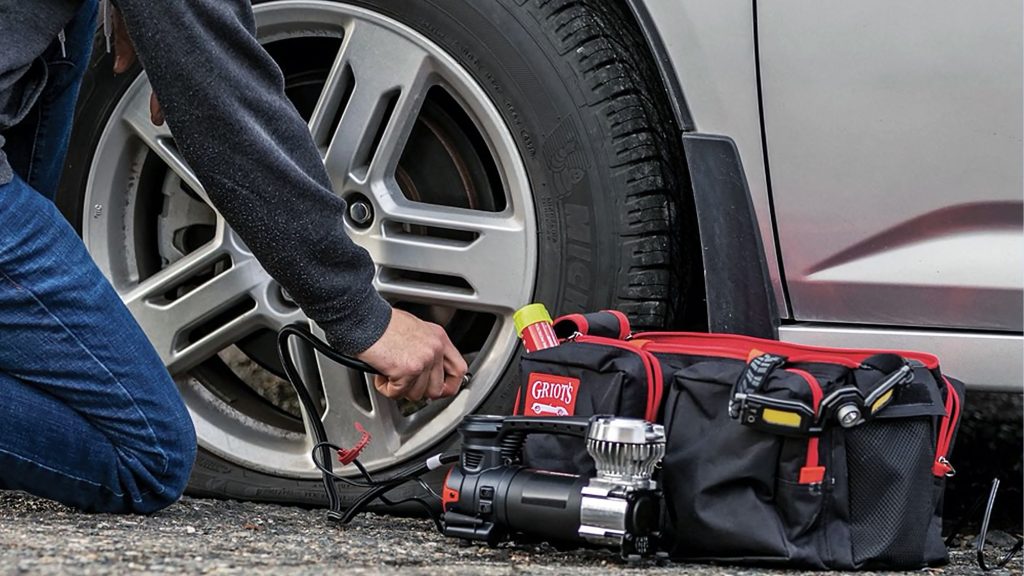
Every North Carolina driver should keep a basic emergency kit in their vehicle. A few simple items can help make waits for roadside assistance, evacuation traffic, and road closure detours safer and more comfortable for vehicle passengers.
A few items we recommend for a hurricane car checklist are:
Safety Supplies
- flashlight
- extra batteries
- reflective triangles
- first-aid kit
Communication Tools
- portable phone charger
- charging cables
- battery bank
Emergency Necessities
- bottled water
- non-perishable snacks
- rain poncho
- blanket
- basic tool kit
These supplies can be especially helpful during extended power outages, or if you end up stuck due to a road closure or evacuation traffic. They are also beneficial should you need to exit your vehicle to secure cargo or change a tire.
Avoid Flooded Roads
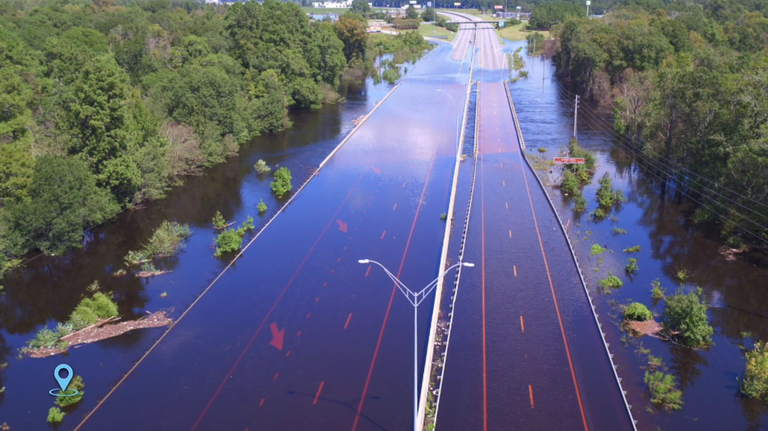
One of the most important hurricane safety reminders we can offer is:
Never drive through floodwater.
Just six inches of moving water can affect vehicle control, while deeper water can stall engines or sweep vehicles away.
Beyond what the water itself can do, floodwater can also hide other threats such as:
- washed-out pavement
- debris
- sinkholes
- downed utility lines
When it comes down to driving during or after hurricane conditions the safest rule is simple:
Turn around, don’t drown.
Protect Your Vehicle from Flood Damage
If severe flooding is expected in your area there are a few additional steps you may want to take:
- moving your vehicle to high ground
- avoiding low-lying parking areas
- parking away from large trees when possible
- considering covered parking if available
Flood damage can affect more than just the roads we drive on, it can affect our vehicles as well. Flood damage could cause issues with your vehicle’s:
- electrical system
- engine
- transmission
- interior components
Many flood-related repairs can be extensive and expensive. Even if a flood-damaged vehicle appears to operate normally afterward, hidden electrical and mechanical damage can create long-term reliability and safety concerns. Flood-damaged vehicles can also present health risks if interiors become wet and are not properly dried. Moisture trapped inside a vehicle can create a breeding ground for mold and mildew.
Review Your Insurance Coverage
Before storm season intensifies, review your auto insurance policy.
Many drivers discover coverage gaps only after the damage has already occurred.
It could be beneficial to check and verify whether your insurance policy includes:
- comprehensive coverage
- flood-related vehicle damage
- wind damage
- falling object damage
Understanding your coverage beforehand can reduce stress after a storm. Another important note to consider is that many insurance companies will not allow you to make changes to your policy during a declared state of emergency. So it’s best to check and make adjustments to your coverages before a storm ever makes landfall.
Schedule a Pre-Hurricane Season Vehicle Inspection
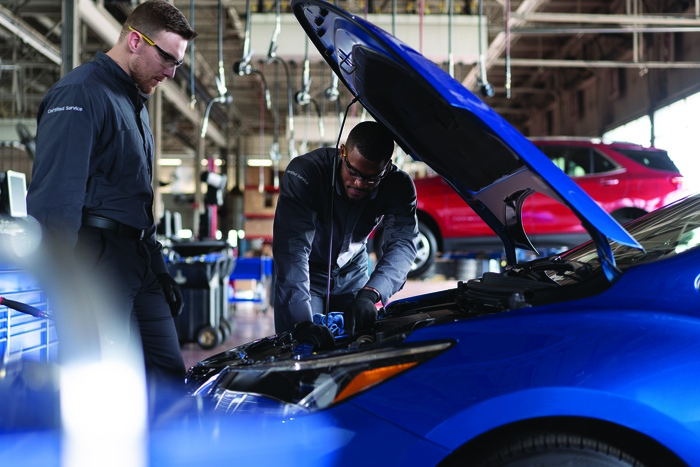
Preparing your vehicle before hurricane season arrives can help reduce the risk of unexpected breakdowns when severe weather strikes.
A professional inspection can help identify potential issues with:
- battery performance
- tire condition
- brakes
- fluid levels
- wiper blades
- overall vehicle readiness
If you’re preparing for hurricane season in Goldsboro or anywhere in Eastern North Carolina, the service team at Doug Henry Buick GMC can help make sure your vehicle is ready for whatever the season brings. From battery testing and tire inspections to fluid checks and multi-point inspections, our team can help identify potential issues before severe weather arrives. Contact us today to schedule a service appointment or stop by with any questions about recommended maintenance for your vehicle.


